Showing posts with label Innovative Tuesday. Show all posts

Tuesday, November 3, 2020

Innovative Tuesday: Dual Inventions - Comptometers & Lighters

      Hello everybody and welcome back to another edition of Global History Hub! I'll be your host, Mr. Nations, your tour guide to this massive world we all call home! On today's edition of Innovative Tuesday, we'll be taking a look at two interesting inventions. Well, what are we waiting for? Let's dive straight into it, shall we?

     Comptometer:

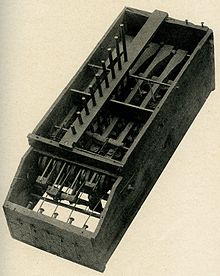
     The comptometer is a direct predecessor to the modern calculator. The comptometer was a large mechanical brick that assisted the operator of the machine is completing speedy calculations. The inventor of the comptometer was a man named Dorr Felt. He began working on his prototype during the Thanksgiving holidays of 1864 and due to budgetary restrictions, he was forced to use several subpar materials to complete the machine. Businesses, upon realizing the potential of these marvelous machines, immediately hired Felt to build a practical model of his machine. By 1887, there were eight production machines. 

     The comptometer was competing with several other machines, namely the arithmometer and it's various clones. It took several months for the device to sell its first hundred units, and even then the popularity of the machine was low. Soon comptometers would fall out of favor for the consumer and would be replaced with the desktop calculator.

     The first comptometer:
     

Sources: https://en.wikipedia.org/wiki/Comptometer#:~:text=The%20comptometer%20is%20the%20direct%20descendant%20of%20the,keys%20of%20Hill%27s%20machine%2C%20the%20comptometer%20was%20invented.

     Lighter:

     For centuries, humans have been looking for quick and reliable ways to start fires. Engineers had been experimenting with different ways to light fires, and a method had been discovered that involved using combustible liquids ignited with a small spark generated by the user. The first prototypes that utilized this method were enormous and thus were not very popular.

     In 1932, Zippo was founded and they used a material called naphtha and the lighter became an instant success. They rose to fame by claiming they had wind-proof flames, unlimited reliability, and were overall very cheap. Lighters are still used today, but mainly to light cigarettes rather than to start fires. 

     Zippo lighter:


     Sources: http://www.historyofmatches.com/lighter-history/history-of-lighters/#:~:text=First%20lighter%20was%20invented%20in%201823%20with%20the,fire%20could%20reliably%20be%20created%20in%20an%20instant.

Tuesday, October 27, 2020

Innovative Tuesday: Duel Inventions - Pencils & Batteries

     Hello everybody and welcome back to another edition of Global History Hub! I'll be your host, Mr. Nations, your tour guide to this massive world we all call home! On today's edition of Innovative Tuesday, we'll be taking a look at the invention of pencils and batteries. Well, what are we waiting for? Let's dive straight into it, shall we?

     Pencils:

     The first version of a pencil was called a stylus, and it was used to leave marks on papyrus, an early form of paper that made of a durable plant material. Other early styluses were made with lead, but for obvious reasons, those caused health problems. It wouldn't be until the 1550s when using graphite in pencils became more and more popular. Originally, the sticks of graphite were wrapped in string to make them more grippy, but soon wood became a more popular alternative and thus the wooden pencil was born! 

     Nowadays, modern wooden pencils are used and loved by schoolchildren and office workers alike. Mechanical pencils also take the form of a classic pencil and have been revered by many for their efficiency and lifespan. Who knows where the history of the pencil will go next?

     One of the first pencils
     See the source image


     Batteries: 

     Batteries have a longer history than you might think. The first instance of ancient batteries was found in the late 1930s by Wilhelm Konig who found some strange clay pots outside of modern day Baghdad. They were examined and tested, and were found to have contained an acidic substance like vinegar or something of the likes. That, combined with the odd metal structure of the device, led Konig to believe it was a battery from the year 200 B.C.E. Since this discovery, scientists have recreated the devices and have found that they do indeed hold a charge. They may have been used for religious purposes, medicinal purposes, or even electroplating. 

     In 1799, Alessandro Volta created the first battery by stacking alternating layers of zinc, brine-soaked pasteboard, and silver. This arrangement, called a voltaic pile, was not the first by any means to create electricity, but it was the first to emit a steady, lasting current. The next breakthrough in battery development came in 1836 when John Frederick Daniell created a new battery. In it, a copper plate was placed at the bottom of a glass jar, and a zinc sulfate solution was added. This then generated small amounts of electricity. It was not very practical, but worked just fine. Soon, batteries became commercially available and they are now sold all over the world in bulk. 
     
     The Voltaic Pile
     The history of batteries can be traced back to 1800. Learn about the history of batteries and find out how the Daniell cell battery is constructed.

Tuesday, October 20, 2020

Innovative Tuesday: Duel Inventions - Flash Drives & Staplers

     Hello everybody and welcome back to another edition of Global History Hub! I'll be your host, Mr. Nations, your tour guide to this massive world we all call home. In today's edition of Innovative Tuesday, we'll be talking about another two small inventions that have a big impact on the world today - flash drives and staplers. Well, what are we waiting for? Let's dive straight into it!

     Flash Drives: 

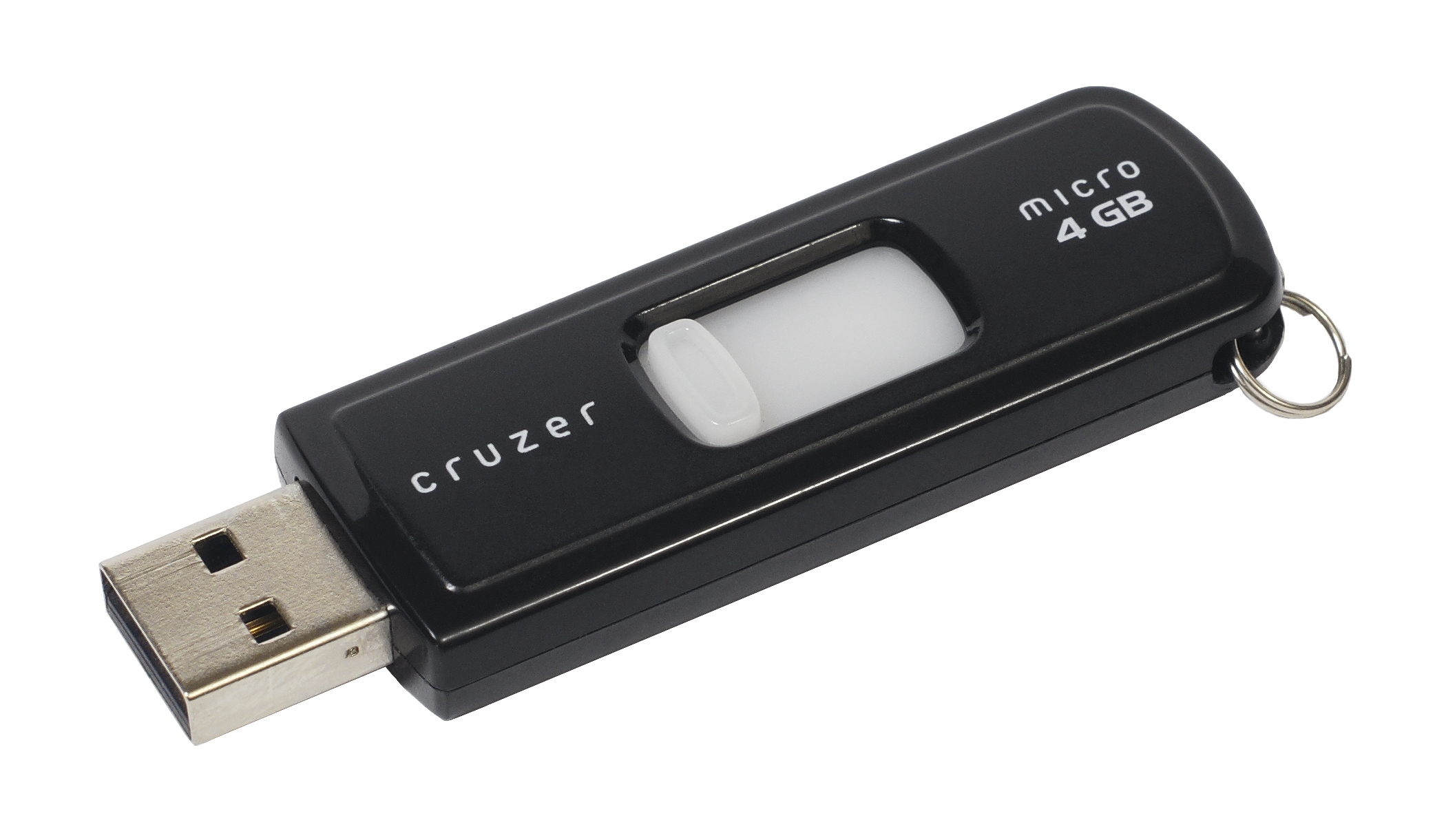
     The humble flash drive goes by many names, including pen drive, thumb drive, flash drive, memory stick, and USB. Whatever you call it, it is a crucial device when it comes to computing between multiple machines. IBM claims to have invented the small device in 1999 but is disputed by many. This drive originally held just eight megabytes, but that amount quickly jumped up to 256 gigabytes per drive. As the storage capacity increases, the price decreases as well. A brand-new 128-megabyte drive cost about $100, but only two decades later, the price decreased to about $10 for eight gigabytes.

     Today, flash drive are massive and can read and write data incredibly quickly. It makes working between multiple computers easy and efficient and makes moving data easier than ever. Without these handy little drives, the world of computers would be much different.

     Your average flash drive looks a lot like this:

     USB flash drive - Wikipedia

     Sources: https://mediafast.com/history-of-the-flash-drive/

     Staplers:

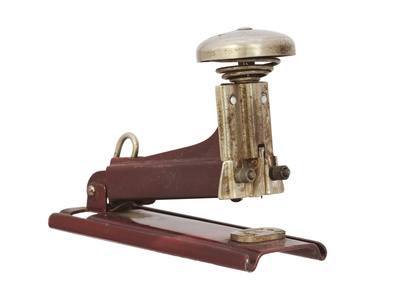
     Just about everyone owns a stapler, some may even own more than one! But why and how were they invented? Ever since the invention of paper, humans have tried many different methods of being the paper together to form longer documents or books. It was King Louis XV that wanted an easier way to bind papers together, and thus the first stapler was born. It was made out of gold and bore several previous stones. Unfortunately, it was expensive to operate and thus was not very popular with people of lower wealth.

     The late 1800s and early 1900s brought about much change in how staplers functioned, and the competition to make better and cheaper ones was fierce. Eventually, the company Swingline would create the best staplers around, and they still make decent ones today. In fact, Swingline set the standard for staplers and that standard hasn't really changed since.

     One of the first staplers:

     The History of Staplers - Staple Slinger

     Sources: https://www.stapleslinger.com/a-summary-of-the-history-about-staplers/#:~:text=George%20McGill%20Invented%20the%20First%20Functional%20Stapler&text=Invented%20by%20the%20Novelty%20Manufacturing,the%20staple%20to%20the%20paper.

Tuesday, October 13, 2020

Innovative Tuesday: Dual Inventions - The Invention DVDs & Rubber Bands

      Hello everybody and welcome back to another edition of Global History Hub! I'll be your host, Mr. Nations, your tour guide to this massive world we all call home! On today's edition of Innovative Tuesday, we'll be taking a look at TWO inventions that deserve some recognition, but not a full post. Well, what are we waiting for? Let's dive straight into it!

     1.) DVDs.

     DVDs were not by any stretch of the imagination the first means of storing data, but at the time of their invention, they were one of the most efficient and most portable means of storage. A consumer predecessor to the DVD was called the optical disc. Optical recording equipment dates back as far as 1963 and patented in 1968. Soon, LaserDiscs were introduced to the market but weren't used very much outside of affluent Asian countries.

     Many forms of circular storage devices were proposed before Samsung finally settled on mass-producing DVDs by September of 1996. A few months late on November 1st, 1996, Japan got to experience the very first DVDs available for purchase. These DVDs usually only contained music videos and other assorted media content.

     Here is a very early advertisement for DVDs made by Toshiba. 

Sources: https://en.wikipedia.org/wiki/DVD#:~:text=Optical%20recording%20technology%20was%20invented,discs%20than%20the%20later%20formats.

     2.) Rubber Bands

     Rubber bands are known around the world as a cheap and plentiful elastic band that can be affixed to just about any solid object with a bit of stretching. But rubber bands have along history, starting at the very beginning of the invention of rubber. But, seeing as we don't need to go that far back for a shorter post, I won't. 

     Englishmen Thomas Hancock was the first person to mass-produce rubber. At first, he only invented as a way to boost his sales as a merchant, but he soon became so enamored by this material that he began to make many different products with it. He was rivaled by a man named Charles Goodyear, who took advantage of Hancock's lack of patents. He utilized the little rings of rubber than Hancock deemed useless and found a use for them - holding papers together. 

     Pretty soon, rubber bands would worm their way into nearly every American household, quickly becoming a staple in office supplies. Or in this case, a rubber band in office supplies!

     Sources: https://gizmodo.com/a-brief-history-of-the-rubber-band-1680594320

Tuesday, September 29, 2020

Innovative Tuesday: The Invention of the Refrigerated Truck

      Hello everybody and welcome back to another edition of Global History Hub! I'll be your host, Mr. Nations, your tour guide to this massive world we all call home! On today's edition of Innovative Tuesday, we'll be taking a look at the refrigerated truck, an overlooked invention that is taken for granted daily. Well, what are we waiting for? Let's dive straight into it! 

     Frederick McKinley Jones is the inventor of the first refrigeration unit. He also invented the first portable refrigeration unit. With his innovations, we were now able to move perishable produce across vast oceans and huge swathes of land. But how did it all begin? When did we realize we needed a portable refrigeration unit? We'll be discussing this further. 

     Jones gained his expertise through many different trades, beginning at a very young age. By the time he was fourteen, he already knew a lot about automobiles and was a naturally skilled mechanic. He continued to educate himself and read up on material that contributed towards his mechanical ability and innovative mind.

     Jones was a voracious learner, always looking for more material on electronics and mechanically powered machines. It wasn't until 1938 that he would invent the first portable air-cooling unit that was to be used on trucks carrying various perishable goods. He was granted a patent in 1940 for his mechanism and Joseph A. Numero decided to sell his cinema sound equipment firm to go into business with Jones. Within about a decade the business was bringing in millions of dollars after the introduction of refrigerated trucks. 

     This invention was especially popular during World War II. They were used to transport perishable goods across battlefields to hospitals and other such locations. Today, refrigerated trucks are mainly used to transfer produce to the grocery store. Jones passed away in Minneapolis in 1961 after a lengthy battle with cancer/

     Fun Facts:

  • Jones was a forefather to many portable items we know today. He made a portable X-ray machine, audio/sound equipment, and motors.
  • It is estimated Jones earned sixty-one patents in his lifetime. 
  • Jones was inducted into the National Inventors Hall of Fame in 2007.
     Frederick McKinley Jones: 
     Frederick Jones - Inventions, Education & Death - Biography

Tuesday, September 22, 2020

Innovative Tuesday: The Invention of the Smartphone

     Hello everybody and welcome back to another edition of Global History Hub! I'll be your host, Mr. Nations, your tour guide to this massive world we all call home! On today's installment of Innovative Tuesday, we'll be taking a look at the invention of the smartphone, one of the most innovative mobile pieces of technology in history. Well, what are we waiting for? Let's dive straight into it!

     1992 was an eventful year. The Olympics took place in Barcelona, Bill Clinton was just elected as President, and the Cold War was finally over. But that same year, IBM unveiled the very first smartphone. Two years later, the device finally hit the shelves for a price of $1,100 each. After six months, it had only sold 50,000 units. Personal cellphones had existed since the 1970s, but the invention of the smartphone re-ignited America's passion for electronics. 

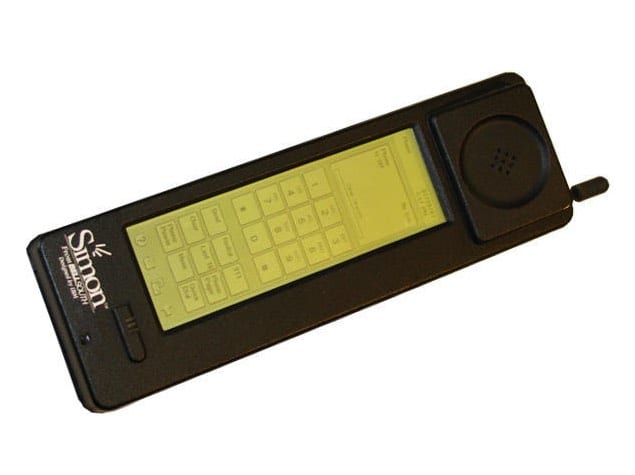
     The IBM Simon was the first smartphone, equipped with a touchscreen and a few basic programs, such as a calendar, address book, and an appointment scheduler. Many of these features would be included in many modern smartphones. It wouldn't be until the year 2001 that smartphones would link to the internet. Unfortunately, smartphones weren't cheap, having decreased to around the $300-$700 range. The cost of data was too much, so smartphones were not a mainstream device. 

     Apple entered the market in the year 2007, revealing the iPhone to an awed crowd. The specs for the time were incredible, with a massive eight hours of talk time. It was set to rival the Blackberry, another rival smartphone.

     Smartphones have progressed to almost unimaginable strengths and powers. The power of your modern smartphone would be a pipe dream back in 1992. It really goes to show the progression of the human race. 

     Fun Facts:

  • iPhone turned 13 this year, 2020.
  • About 3/4 of Americans own a smartphone.
  • 28% of smartphone owners say they don't use any form of security on their phones.
     IBM Simon:
     

Tuesday, September 15, 2020

Innovative Tuesday: The Invention of the Loom

     Hello everybody and welcome back to another edition of Global History Hub! I'll be your host, Mr. Nations, your tour guide to this massive world we all call home! On today's installment of Innovative Tuesday, we'll be taking a look at the loom, one of the more important inventions regarding the progression of the modern world. Well, what are we waiting for? Let's dive straight into it!

     Looms and weaving are nothing new. In fact, the art of weaving dates back thousands of years; the oldest loom dating back to 5th-millennium B.C.E. It consisted of bars or beams fixed in place to form a frame to hold a number of parallel threads in two sets, alternating with each other. This process allowed a rough fabric to be created. The basic function and operation of the loom remained the same for many years.

     Many advancements in the components of the loom would happen years later, and they fundamentally changed the way they operated. A loom, most probably invented in Asia, was optimized for the weaving of silk. It was made possible by creating a mechanism that weaved more intricate patterns. It was only mechanized in the 18th century in France, where the process became more efficient.

     Looms continued to get more and more mechanical, so as to reduce the number of workers required in the factory and to reduce the number of imperfections in the fabric. Nowadays, looms are completely automated and can be commanded remotely. Garments are churned out at a fabulous rate. Thousands of articles of clothing fly off the production line, ready to be purchased by the consumer.

     Fun Facts:

  • The first power loom was designed in 1784 by Edmund Cartwright.
  • Cartwright's design was later perfected by William Horrocks. 
  • By 1850, 250,000 of Cartwright's inventions were in use all around the world.
     An old mechanical loom:
     Loom - Wikipedia

Tuesday, September 8, 2020

Innovative Tuesday: The Invention of the Home Video Game Console

     Hello everybody and welcome back to another edition of Global History Hub! I'll be your host, Mr. Nations, your tour guide to this massive world we all call home. In today's edition of Innovative Tuesday, we'll be taking a look at the invention of the home video game console. Well, what are we waiting for? Let's dive straight into it!

     A video game console is defined as an electronic device or computer that projects images onto a television screen or a computer monitor. The console receives input from the user that command what happens on-screen via a controller or remote. Most video games released for gaming consoles typically involve a person to be controlled or something similar, such as a car. Video game consoles have evolved greatly over the years, so let's take a look at some of them.

     The first video game console was released in the 1970s, developed by Ralph H. Baer. It was called the Magnavox Odyssey and only had one game that was able to be played, Pong. For a while, game consoles were developed to only play a few games, usually very simple games like Pong or virtual volleyball. These were called dedicated consoles. It would be a while before consoles would advance to the point of being able to play many games.

     For much of the console industry's history, there have only been a few main manufacturers of video game consoles. The current world leaders are Microsoft with their Xbox, Nintendo with their handheld consoles and Wii, and Sony with their Playstation series of consoles. All devices have their strong points, and each brand caters to a different spectrum.

     Consoles are headed in a good direction, with Microsoft releasing their Xbox Series X and Series S, and Sony releasing the Playstation 5. I hope the industry continues on this trajectory.

     Fun Facts: 

  • The Sega Dreamcast was the first console to implement online play over a phone line, calling the system Sega Net.
  • The Playstation 2 was the first video game console to have better graphics than the leading-edge PC of the time.
  • The Playstation 2 was also the first console to utilize DVD technology.
     Magnavox Odyssey:
     

Tuesday, September 1, 2020

Innovative Tuesday: The Invention of the Satellite

     Hello everybody and welcome back to another edition of Global History Hub! I'll be your host, Mr. Nations, your tour guide to this massive world we all call home. In today's edition of Innovative Tuesday, we'll be taking a look at the invention of satellites. Well, what are we waiting for? Let's dive straight into it!

     Natural satellites have been around for centuries, but they aren't really satellites at all. They're really moons that orbit around the planet that we are able to track all the way from Earth. Almost every planet has at least one satellite orbiting around it at all times. It wasn't until the mid 20th century did we begin to send artificial satellites to space.

     The very first artificial satellite was Sputnik, the tiny beach-ball sized probe launched into space by Russia that lifted off back in 1957. This shocked much of the Western world as they thought that the Russians did not have the hardware available to send an object to space. Following that feat, the Russians sent another probe into space called the Sputnik 2. This ship carried a dog, named Laika.

     The first American Satellite was called the Explorer 1. It was only 2% of the mass of the Sputnik, weighing in at only thirty lbs. Once people began to realize the power satellites truly had, advancements in satellite research sped up drastically. The Russians once again beat the Americans to the punch by constructing the world's first space station.

     Soon other nations began to realize the benefits of having satellites. The weather could be predicted more accurately, telecommunications could improve in efficiency, and live television could be broadcasted across the world with only a few seconds delay. Satellites brought about an era of efficiency that the modern world relies heavily on today.

     Sputnik 1:
     Sputnik 1 - Wikipedia
     Sources: https://www.space.com/24839-satellites.html

Tuesday, August 25, 2020

Innovative Tuesday: The Invention of the First User-Friendly Operating System

     Hello everybody and welcome back to another edition of Global History Hub! I'll be your host, Mr. Nations, your tour guide to this massive world we all call home. In today's edition of Innovative Tuesday, we'll be taking a look at the invention of the first user-friendly operating system. Well, what are we waiting for? Let's dive straight into it!

     Operating systems existed long before the invention of the first user-friendly operating systems. Surprisingly enough, General Motors made the very first operating system. It was designed to run only a single IBM computer. IBM took on the challenge of creating a suitable OS to be distributed through its line of computers, not to be confused for the personal computer, which comes much later.

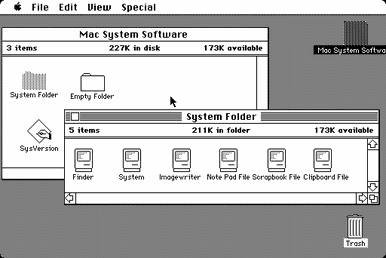
     The first user-friendly operating system was developed by Apple and was released to the public on January 24th, 1984. It was called System 1.0 and is known as the first installment to the MacOS series. It was designed to run on the Motorolla 6800 Microprocessor, which was the standard processor in the Macintosh 128k, the first Apple computer.

     The first Windows OS was simply called Windows 1.0. It was released in November of 1985 and was Microsoft's first attempt at a graphical user interface. Development was led by Bill Gates and ran along with MS-DOS, which relied on command-line input.

     We often take for granted the many features operating systems have built into their core functions. What is now considered normal was once considered a far-fetched dream.

     Fun Facts:
  • According to the latest data usage, there are currently roughly 1.6 billion active Windows users.
  • Windows 95 was a smash hit upon release. It sold 40 million copies in its first year. Windows 8 sold 100 million copies in half the time.
  • A 1% drop in usage means that Microsoft loses more users than the population of Illinois.
     Apple Macintosh Desktop.png
     The desktop for System 1.0.

Tuesday, August 18, 2020

Innovative Tuesday: The Invention of the Submarine

     Hello everybody and welcome back to another edition of Global History Hub! I'll be your host, Mr. Nations, your tour guide to this massive world we all call home. In today's edition of Innovative Tuesday, we'll be taking a look at the invention of the submarine, an important tool in the world of underwater exploration. Well, what are we waiting for? Let's dive straight into it!

     Underwater exploration has fascinated humans for thousands of years, but up until fairly recently, we couldn't do a great deal of it. Submarine travel didn't become common until around the mid-twentieth century. The first instance of underwater traversal was military operations carried out by ancient Athenians. It is also thought that Alexander the Great descended into the sea using a primitive diving bell, although this is regarded as a legend rather than fact.

     The first American submarine was designed before the Revolutionary War by David Bushnell, a young inventor based out of Connecticut. He designed and built a one-man submarine that needed to be hand-cranked to operate. Small pipes protruded out the cockpit that allowed air to circulate and featured a torpedo used to attack ships. Bushnell dubbed it "The Turtle". Unfortunately, this vessel was extremely inefficient.

     The first successful American submarine was invented a decade after the end of the Civil War. Inventor John Holland set about creating a suitable submarine for the United States to use. His first prototype was deemed slow and inefficient. But instead of giving up, he took this as a personal challenge to improve upon his design. The U.S., upon realizing the huge upside potential for submarines, held a design contest. Holland won and began designing submarines for the United States.

     Soon, better engines were needed to power these bulky machines. Gasoline engines were used for a short time, but they were slow, dangerous, bulky, and horribly inefficient. Gasoline was a flammable and unstable liquid, making it very difficult for crews to use safely. Many years later nuclear-powered submarines would be invented, along with much safer alternatives.

     Fun Facts:

  • The first nuclear-powered submarine is called the USS Nautilus.
  • Submarines navigate underwater using sonar. 
  • The first submarines were only designed to hold one or two people. Modern ones can hold 100 people with room to spare.
     "The Turtle", the first submarine:
     Turtle: The First Submarine Ever Went to War During the American ...

Tuesday, August 11, 2020

Innovative Tuesday: The Invention of the Bridge

     Hello everybody and welcome back to another edition of Global History Hub! I'll be your host, Mr. Nations, your tour guide to this massive world we all call home! On today's installment of Innovative Tuesday, we'll be taking a look at the invention of the bridge. Well, what are we waiting for? Let's dive straight into it!

     The very first bridges that ever appeared were created by nature itself. Examples are a log falling across a river, or stones tumbling down from a mountain and into a river, creating a footpath people and animals alike could travel over. The first manmade bridges were simple structures, nothing more than wooden planks or logs arranged in a simple cross-beam configuration, oftentimes paired with woven fibers to help increase structural stability.

     The oldest known arch bridge is located in Peloponnese, Greece. It is dated around the 13th-century B.C.E. The bridge was very simple, and not very elegant in terms of looks. Truly magnificent bridge-building only began once the Romans began building them. They build numerous arch bridges and aqueducts, many of which are still standing today.

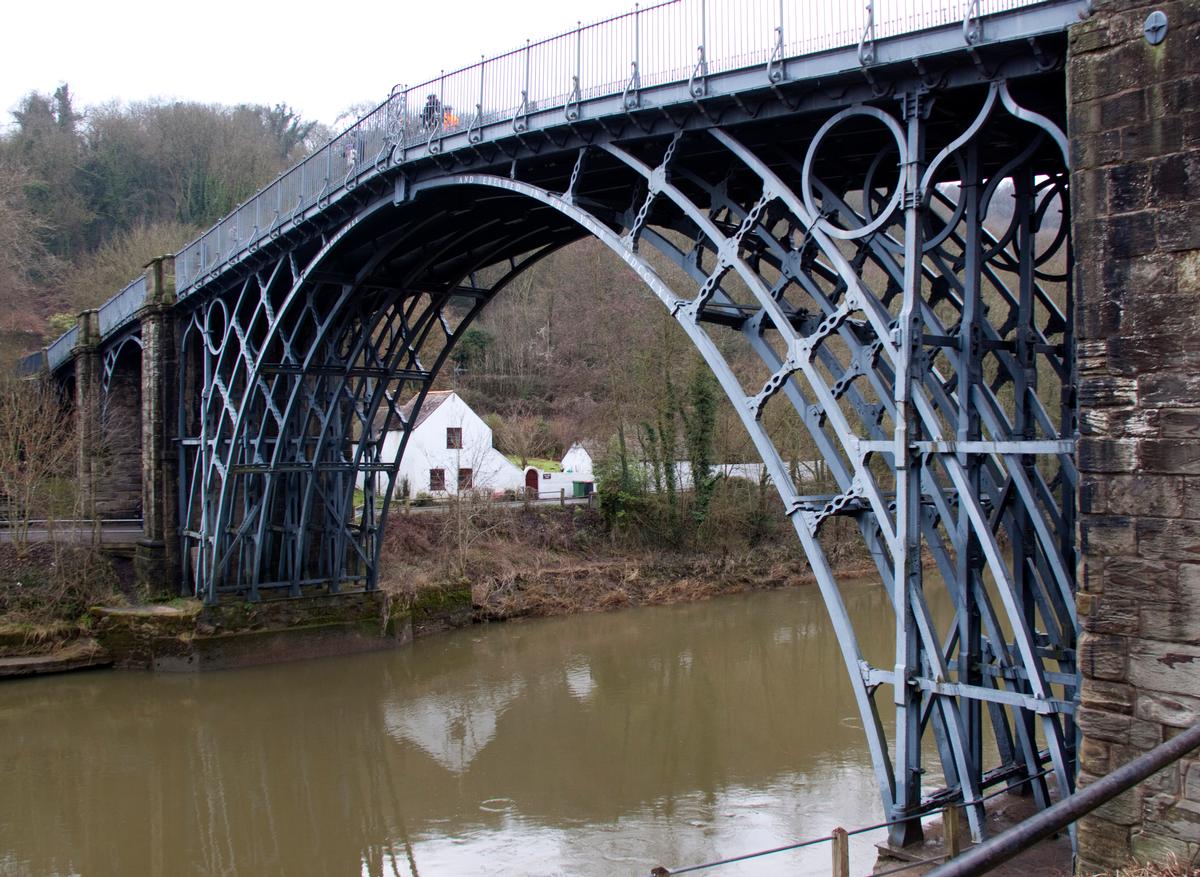
     Many countries worked on and improved the designs of bridges. The Indians, Chinese, French, and even the Incas worked to improve the bridge's design and strength. None could compare to the strength of the first iron bridge, invented in the year 1779. Called the Coalbrookdale Bridge, it was considered an engineering marvel at the time because of its use of cast iron.

     After the Industrial Revolution, may new techniques for bridge-building became available and bridges became better than ever.

     Fun Facts:

  • Between the 12th and 16th centuries, many bridges also came with houses built on them.
  • Competitive model bridge building exists, each competition with its own set of rules.
  • The earliest bridges date back to Mesopotamia, but most were just logs and stones.
     Coalbrookdale Bridge:
     Iron Bridge (Coalbrookdale, 1779) | Structurae
     Sources: http://www.bridgesdb.com/bridge-history-facts/historical-development-of-bridges/
     http://www.historyofbridges.com/

Tuesday, August 4, 2020

Innovative Tuesday: The Invention of the Shopping Mall

     Hello everybody and welcome back to another edition of Global History Hub! I'll be your host, Mr. Nations, your tour guide to this massive world we all call home! On today's installment of Innovative Tuesday, we'll be taking a look at the invention of the shopping mall. Well, what are we waiting for? Let's dive straight into it!

     The shopping mall has been a staple in American culture for decades. "Along with power mowers, [birth control], antibiotics. smoke detectors, transistors, and personal computers, the shopping mall was selected as one of the top 50 wonders that have revolutionized the lives of consumers." (Consumer Reports, 1986) The shopping mall earned a glowing review from Consumer Reports back in 1986, but how did the shopping mall come to be?

     Back in the 1950s, the average American had nowhere to go to mingle with others their age. Victor Bruen aimed to change that by creating what he called "worlds unto themselves" free from dirt, life, bad weather, and troubles.

      The very first shopping mall opened in Minneapolis in 1956, and immediately it was a hit. In the following years, thousands of malls opened, and by 1960 4,500 malls were operating in the United States and accounted for 14% of all retail sales. By 1987 that number had increased to 30,000 malls accounting for over 50% of all sales. Malls were at their peak, but would it last forever?

     Unfortunately not. With the invention of the internet and the boom of e-commerce, malls have slowly fallen out of favor with the American population. Malls are closing at an alarming rate, and these huge buildings are difficult to get rid of, leaving them to decay as a result of Mother Nature.

     Fun Facts:
  • Frank Lloyd Wright hated the first Minneapolis mall.
  • Victor Gruen hated what his creation became. 
  • The Mall of America has an amusement park, flight simulators, and an aquarium.
     The first shopping mall:
     History of Southdale Center, the first modern American shopping ...

Tuesday, July 28, 2020

Innovative Tuesday: The Invention of the Harpsichord

     Hello everybody and welcome back to another edition of Global History Hub! I'll be your host, Mr. Nations, your tour guide to this massive world we all call home! On today's installment of Innovative Tuesday, we'll be taking a look at the invention of the harpsichord, the predecessor to the piano. Well, what are we waiting for? Let's dive straight into it!

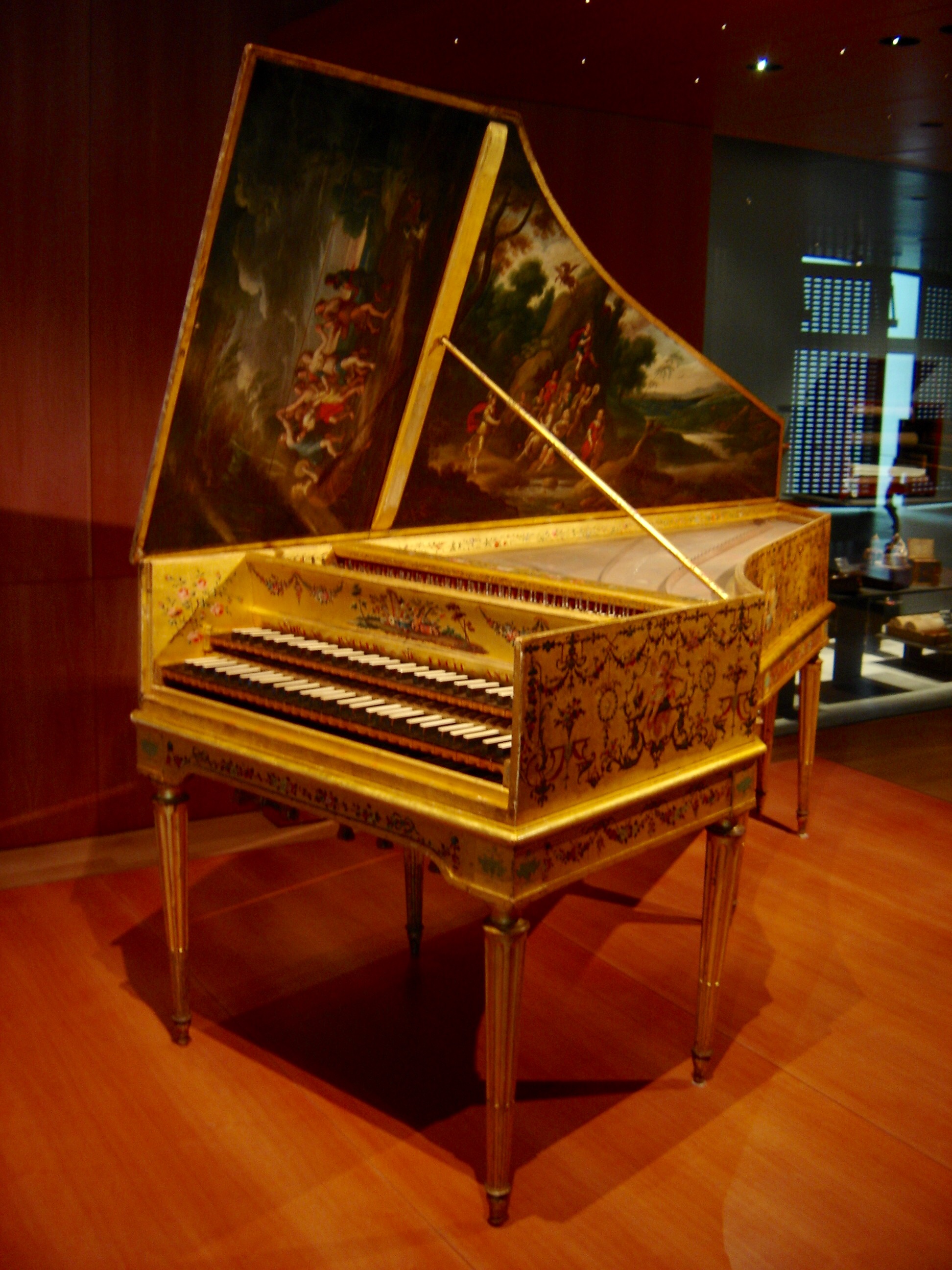
     The earliest surviving harpsichord that is still preserved comes from Italy. The oldest specimen dates all the way back to the year 1521, in the 16th century. The Royal Academy of Music in London has an instrument of a peculiar upright form, which may be older, but unfortunately, it lacks the ability to operate, unlike the one from 1521.

The harpsichord is an upright instrument and has the ability to play 4-5 octaves and commonly had 59 notes. They averaged about 8 feet in length, and 3 feet in width, and were by far the most advanced and complex string instrument during that period in time. The harpsichord looked like the piano, but the color of the keys is reversed The sharp keys are white, and the flat keys are black. 

The function of a harpsichord differs slightly from that of a piano. Like a piano, the inner workings of the instrument contain a wide variety of strings. Unlike the piano, the harpsichord strings are plucked by small hooks, producing a sharper and less appealing sound. But if played correctly, can make very attractive music. Many famous composers played the harpsichord, such as Bach.

Picture of a harpsichord:
Harpsichord - Wikipedia
    Sources: https://docs.google.com/document/d/1IihvSFryxaSK7z1jV7AM__e_byTvfAS7vd1dxZJl0Nk/edit?usp=sharing

Tuesday, July 21, 2020

Innovative Tuesday: The Invention of the Camera

     Hello everybody and welcome back to another edition of Global History Hub! I'll be your host, Mr. Nations, your tour guide to this massive world we all call home! On today's installment of Innovative Tuesday, we'll be taking a look at the invention of the camera. Well, what are we waiting for? Let's dive straight into it!

     Before photography became prevalent in the world, another form of image capturing was invented. It was called camera obscura. Camera obscura explained in basic terms can be defined a pinhole, and as it made smaller, the image gets sharper, but the light-sensitivity decreases. This simple apparatus makes it so that the image is always upside-down.

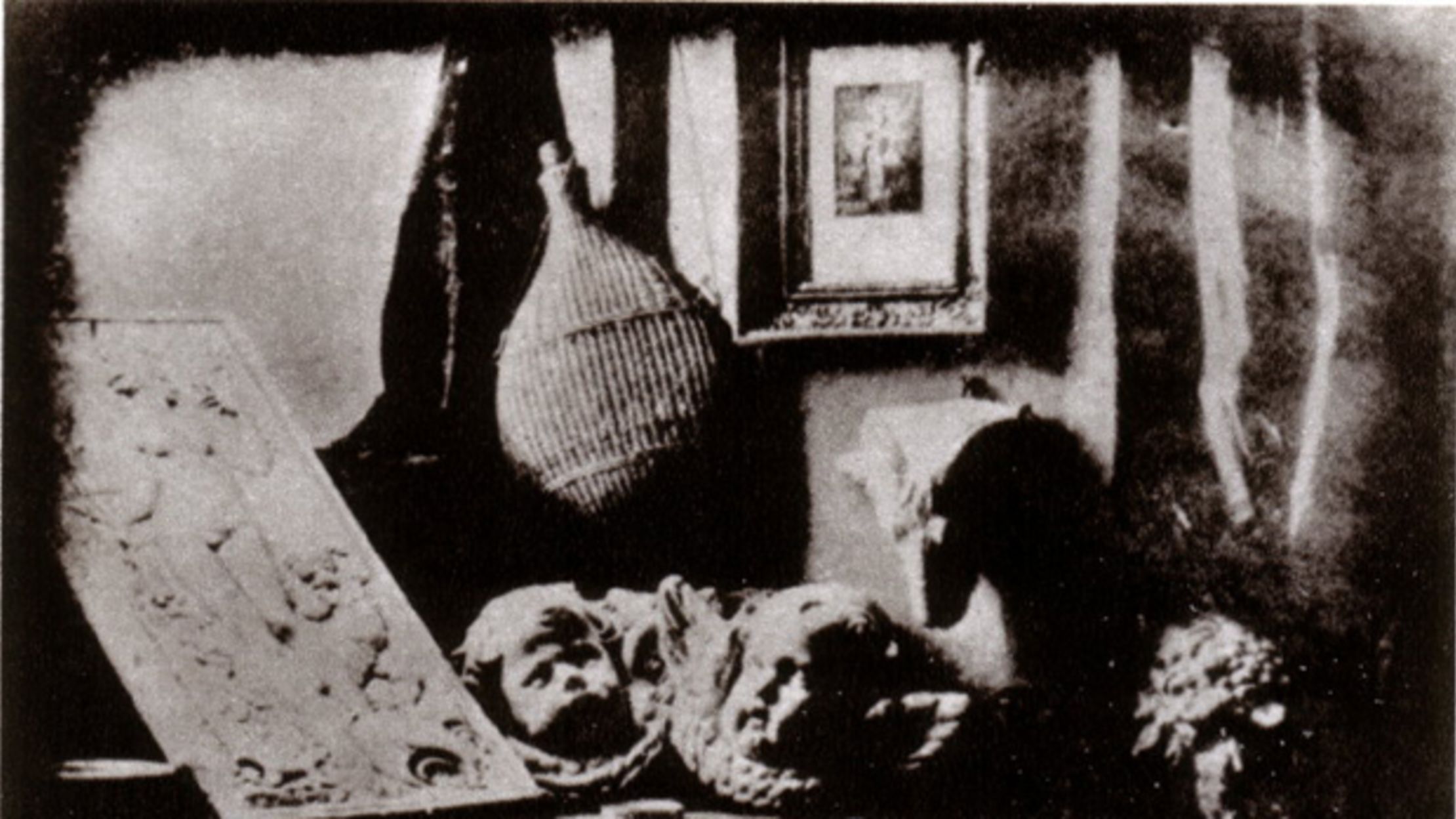
     Another more advanced type of camera was called the daguerreotype camera. It was the first commercially manufactured camera, built by Alphonse Giroux in 1839. Essentially, the daguerreotype camera was a crude camera, capable of producing grainy black and white images. An example is:
   
     8 Important Daguerreotype Photos | Mental Floss
     This is a photo produced by a daguerreotype camera. As you can see, it is literally rough around the edges. However, this is one of the best images produced by this type of camera.

     Many other variations of this camera exist, however, they all lack sharpness and color. However, around the year 1888, George Eastman invented the first photographic film camera. The low price and relative ease of use made it appealing to the consumer. The Kodak came with enough film for 100 snapshots, and then it had to be sent to the factory to be reloaded and processed.

     Cameras today are incredibly high-quality compared to the early cameras. They come built into smartphones and other devices. The invention of the camera allows us to share every aspect of our lives with each other at a frightening speed.

Sources: https://en.wikipedia.org/wiki/History_of_the_camera#:~:text=The%20first%20partially%20successful%20photograph,it%20was%20exposed%20to%20light.

Wednesday, July 8, 2020

Innovative Tuesday: The Invention of the Tractor

     Hello everybody and welcome back to another edition of Global History Hub! I'll be your host, Mr. Nations, your tour guide to this massive world we all call home! Today on Innovative Tuesday, we'll be taking a look at the invention of the tractor, arguably one of the most important invention of the agricultural world. Well, what are we waiting for? Let's dive straight into it!

     The first gas powered tractor was invented by a man named John Froelich. The first machine was incredibly difficult and cumbersome to use. It was very costly and incredibly dangerous. One spark from the machine could turn the entire prairie into a raging wildfire. The machine could move at a speed of three miles per hour (safely). It only required twenty-six gallons of gasoline, which was very good, considering it could harvest over 1000 bushels of grain without an issue.

     Tractors didn't catch on with farmers immediately. But, once farmers realized the potential of the mammoth machines, they changed their views quickly. Tractor popularity soared once farmers realized they didn't have to perform back=breaking manual labor to earn a living.

     Tractors were very expensive back then, in 1920, the price was about $785. Only two years later, the price dropped to $395, making tractors a very affordable piece of farming equipment.

     Fun Facts:

  • The cheap tractors of the 1920s launched the United States into an agricultural frenzy.
  • The fastest tractor ever made can reach speeds of 121 KMh.
  • Early tractors used to have metal wheels instead f the traditional rubber wheels we use today.
     The first tractor:
     

Tuesday, June 30, 2020

Innovative Tuesday: The Invention of Anesthesia

     Hello everybody and welcome back to another edition of Global History Hub! I'll be your host, Mr. Nations, your tour guide to this massive world we all call home! In today's edition, we'll be discussing the invention of anesthesia, something that makes complicated and lengthy surgeries possible. Well, what are we waiting for? Let's dive straight into it!

     Before anesthesia, doctors would tie patients down to beds or chairs and use other methods to dull pain. One popular method was to stuff leather belts in patients mouths and have them bite down on it as the procedure is performed. Another ancient method was to place a wooden bowl on the patients head and beat it with a spoon until they lost consciousness. This obviously had later consequences.

     One of the first methods of anesthesia to date is acupuncture, invented in China in 1600 B.C.E. Acupuncture is where an acupuncturist pricks your skin and tissue with small needles and is used to treat physical, mental, and emotional damage. Even though it has Chinese origins, acupuncture has gained popularity in the west.

     The first real anesthesia was called ether. The first instance of this being used was when a man had a tumor removed after inhaling the vapor. This revolutionized the medical world and lead to many newer and far more effective anesthesias being introduced.

     Today, many far more effective means of anesthesia exist. There are anesthesias that are able to put a person under for many, many hours if a complicated surgery needs to be performed.

     Fun Facts:

  • People who smoke may need larger doses of anesthesia than nonsmokers.
  • It's unlikely, but it's possible to wake up and become conscious during surgery.
  • Being overweight increases the risk that complications may happen during surgery.
     general anesthesia - sedation - UCLA Anesthesiology ...
     A person being administered anesthesia.

Tuesday, March 24, 2020

Innovative Tuesday: The Invention of the Gregorian Calendar

     Hello everybody and welcome back to another edition of Nations Made Fun! I'll be your host, Mr. Nations, your tour guide to this massive world we all call home! Today, I'll be doing something a little different than what I usually do. Instead of writing paragraphs about the calendar, I'll have six concise fun facts. Well, what are we waiting for? Let's dive straight into it!

  • The original goal of the Gregorian calendar was to change the date of Easter
  • Leap years don't really occur every four years in the Gregorian calendar. They were made up to make up for the lag in Caesar's calendar creation.
  • The Gregorian calendar differs from the solar year by twenty-six seconds a year. Despite the leap years, we have every four years, the calendar still lags behind by twenty-six seconds.
  • Some Protestants didn't like the switch over to the Gregorian calendar because they viewed it as a Catholic plot.
  • Britain's adoption of the Gregorian calendar (supposedly) sparked riots and protests. It is thought that the accounts of this are exaggerated.
  • Before the switch to the Gregorian calendar, the English new year began on March 25th or Lady Day.

Tuesday, March 17, 2020

Innovative Tuesday: The Invention of the Oven

     Hello everybody and welcome back to another edition of Nations Made Fun! I'll be your host, Mr. Nations, your tour guide to this massive world we all call home! Today on Innovative Tuesday, we'll be taking a look at the oven, a massive leap in the culinary world. Well, what are we waiting for? Let's dive straight into it!

     The first ovens weren't really ovens at all. They were open fires that were placed on the ground and later simple masonry would be used to hold the burning wood. These and later simple ovens were mainly used to make bread and other basic bakery goods.

     By the middle ages, taller brick & mortar hearths equipped with chimneys were being built. The food being cooked was placed in a metal cauldron that was hung above the fire. It is thought that the first oven was built in 1490 in Alsace, France. This oven was made entirely out of brick and tile, including the flue.

     Soon after, inventors began to improve on the bothersome smoke that accompanied wood-burning ovens. Fire chambers were invented that contained the smoke and holes were built into the tops of these chambers so that flat-bottomed cooking containers could be placed on top of the cauldron. Wood-burning stoves quickly fell out of fashion once iron stoves were invented.

     Once electric ovens were invented, the game changed. Humongous turkeys could be cooked in mere hours and cooking was at its finest. The modern kitchen would look nothing like it looks today without the addition of ovens.

     Fun Facts:

  • Portable ovens were available for purchase as early as 1600 B.C.E.
  • It wasn't until the 1700s that ovens were viewed as more practical than fireplaces.
  • Wood-burning ovens are gaining popularity again as more and more are installed in outdoor settings. They are typically used for pizzas or other baked goods.
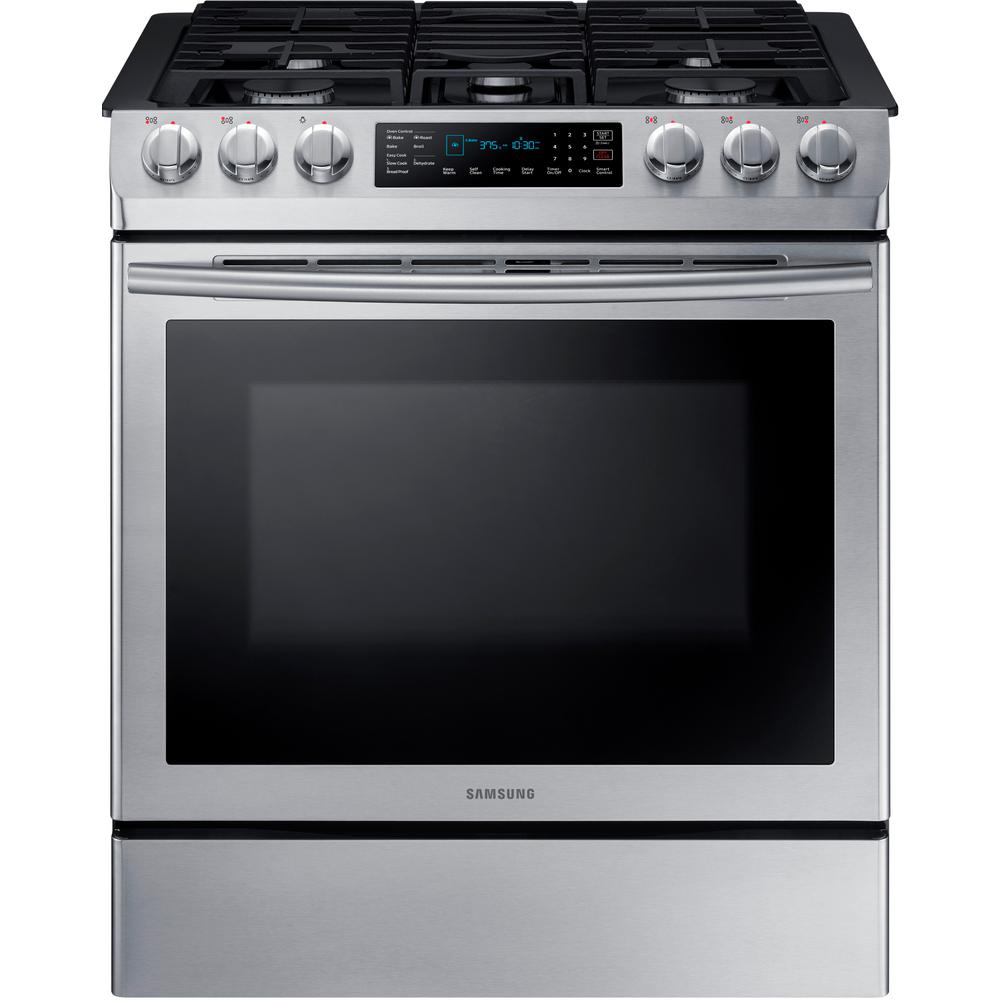
     Oven:
     Image result for oven

Tuesday, March 10, 2020

Innovative Tuesday: The Invention of Rockets

     Hello everybody and welcome back to another edition of Nations Made Fun! I'll be your host, Mr. Nations, your tour guide to this massive world we all call home! Today on Innovative Tuesday, we'll be taking a look at an invention that sent mankind to space. Well, what are we waiting for? Let's dive straight into it!

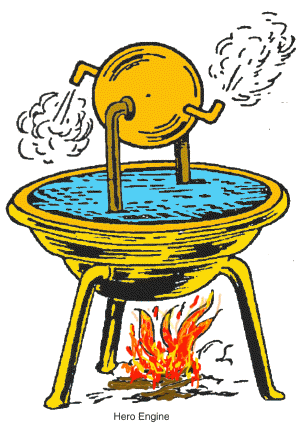
     The rockets that we shoot into space today are machines of utmost precision, guided and assisted by highly trained men and women and are equipped with many miraculous instruments that keep the rocket itself afloat.  However, this wasn't always the case. Ancient forms of flight included wooden rocket-like structures propelled by steam. An example of this wooden device is depicted below.

     
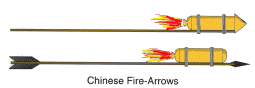
     The Chinese soon came and invented the first real rockets. These rockets were simply arrows with a pot of gunpowder that would explode on contact. It flew through the air unassisted and caused moderate damage, but the psychological trauma that the Mongols experienced was more than enough to cause damage. An example of one of these arrows is shown below.


     Centuries later, Sir Isaac Newton lays the groundwork for what will soon be called rocket science. This is where Newton would invent his three laws of motion. Using these laws and with the assistance of engines, other scientists were able to create incredibly powerful rockets for the time, lifting up to 45 kilograms.  

     Soon, NASA was founded and they created the many rockets that have been sent up to space. Many famous rockets include the Friendship 7, the rocket that launched the first astronaut into space. Other companies are also making their own way in the aerospace industry. An example is SpaceX, Elon Musk's company. They gained popularity when they launched a Tesla into space with an "astronaut" inside. The astronaut was indeed a dressed-up mannequin.

     Fun Facts:
  • The first unmanned rocket to ever enter orbit was the Sputnik 1, the Russian manufactured rocket. The primary function of the little orb was to place a radio transmitter into orbit.
  • Today's typical rocket produces over 1,000,000 pounds of thrust. 
  • ULA’s Decatur production facility is 1.6 million square feet. Both Atlas and Delta launch vehicles are produced at the facility.