Showing posts with label Presidential Biographies. Show all posts

Monday, June 15, 2020

Presidential Biographies No. 44: Barack Obama

     Hello everybody and welcome back to another edition of Global History Hub! I'll be your host, Mr. Nations, your tour guide to this massive world we all call home! In today's edition of Presidential Biographies, we'll be discussing the life of Barack Obama, the 44th president who served from 2009-2017. Well, what are we waiting for? Let's get right into it!

     Barack Obama was the 44th president of the United States and the first African American president. The son of parents from Kenya and Kansas, Obama was born and raised in Hawaii. He graduated from Columbia University and Harvard Law School, where he was president of the Harvard Law Review. After serving on the Illinois State Senate, he was elected a U.S. senator representing Illinois in 2004. He and wife Michelle Obama have two daughters, Malia and Sasha.

      In February 2007, Obama made headlines when he announced that he was running for president in 2008. He was locked in a close battle with Hillary Clinton. On June 3, 2008, Obama became the Democratic Party's nominee. Clinton delivered her full support to Obama for the duration of his campaign.

     Obama signed many landmark bills into law during his first two years in office. The main reforms that were passed include the Patient Protection and Affordable Care Act (commonly referred to as the "Affordable Care Act" or "Obamacare"), and more. After a long debate about the national debt limit, he signed the Budget Control and the American Taxpayer Relief Acts. In foreign policy, he increased U.S. troop levels in Afghanistan, reduced the number of nuclear weapons in storage with the United States–Russia New START treaty, and ended military involvement in the Iraq War.

     Fun Facts: 
  • In 2009, Barack Obama made $5.5 million selling books.
  • After working at Baskin Robbins as a teen, Obama no longer likes ice cream.
  • Obama is an avid basketball player and likes sports.
     Barack Obama:
     Barack Obama - U.S. Presidency, Education & Family - Biography

Saturday, June 13, 2020

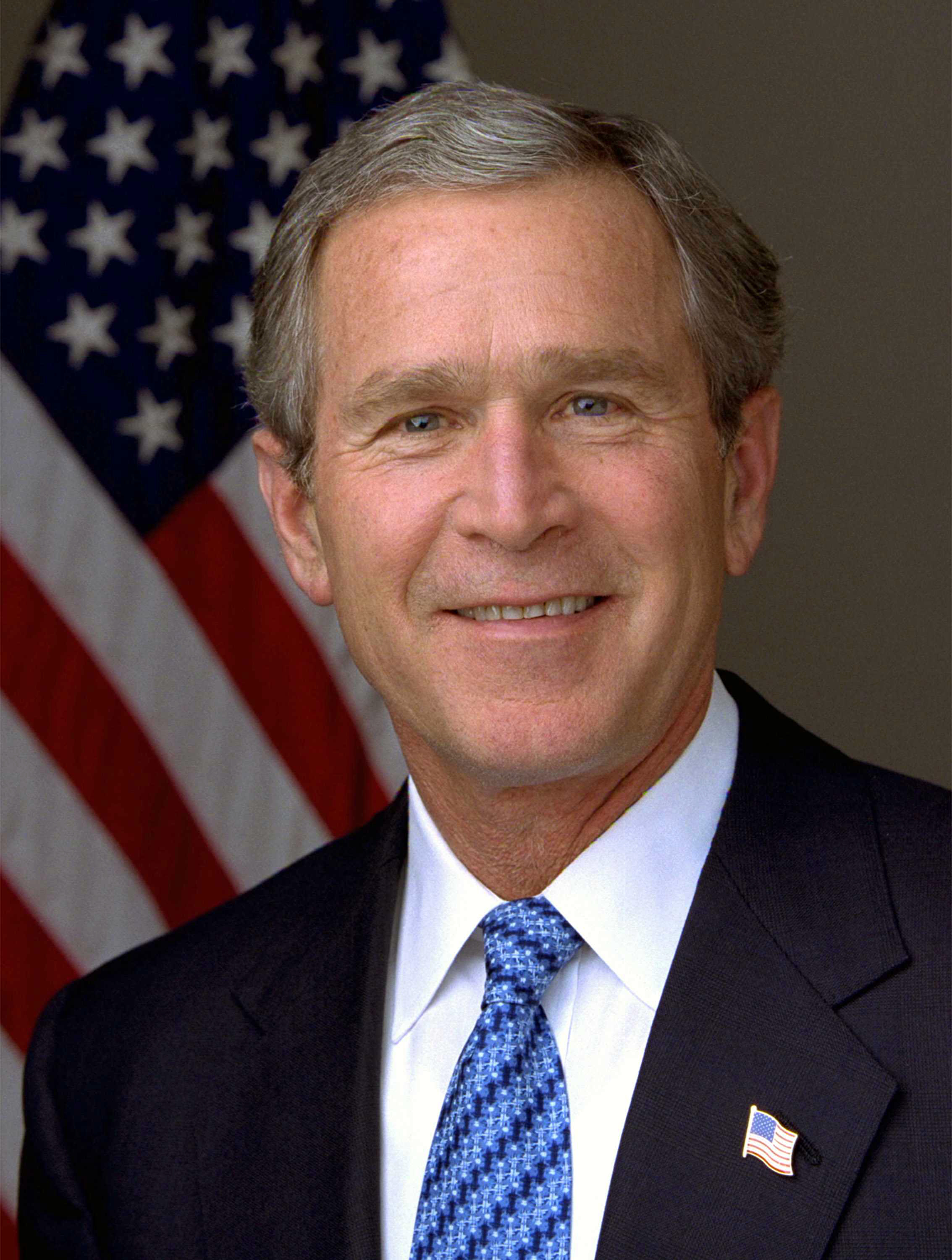
Presidential Biographies No. 43: George W. Bush

     Hello everybody and welcome back to another edition of Global History Hub! I'll be your host, Mr. Nations, your tour guide to this massive world we all call home! In today's edition of Presidential Biographies, we'll be discussing the life of George W. Bush, the 43rd president who served from 2001-2009. Well, what are we waiting for? Let's get right into it!

     Bush is the oldest son of Barbara and George H. W. Bush. After graduating from Yale University in 1968 and Harvard Business School in 1975, he worked in the oil industry. Bush married Laura Welch in 1977 and unsuccessfully ran for the U.S. House of Representatives shortly after. Bush was elected president of the United States in 2000 when he defeated Democratic Vice President Al Gore after a narrow and contested win that involved a Supreme Court decision to stop a recount.

     In response to the September 11 terrorist attacks, Bush launched a "War on Terror" that began with the war in Afghanistan in 2001. He also launched the Iraq War in 2003. Signature legislation passed during his presidency included tax cuts and many other helpful programs. In the 2004 presidential race, Bush defeated Senator John Kerry in a close election. After his reelection, Bush received criticism from analysts of his presidency for his reaction to the Iraq War, Hurricane Katrina, and other challenges.

     Bush was among the most popular U.S. presidents in history; he received the highest recorded approval ratings after 9/11, but one of the lowest ratings during the 2008 financial crisis. Bush finished his second term in office in 2009 and returned to Texas. In 2010, he published his memoir, Decision Points. His presidential library opened in 2013. His presidency has been rated as one of the worst in historian's polls, although his ratings have improved since leaving office.

     Fun Facts:
  • Bush completely stopped drinking alcohol after his 40th birthday. He said it was because he noticed alcohol was having an impact on his energy and relationships.
  • Bush liked oil paintings.
  • George W. Bush was a cheerleader at his alma mater.
     George W. Bush:
     George W. Bush - Wikipedia

Wednesday, June 10, 2020

Presidential Biographies No. 42: Bill Clinton

     Hello everybody and welcome back to another edition of Global History Hub! I'll be your host, Mr. Nations, your tour guide to this massive world we all call home! In today's edition of Presidential Biographies, we'll be discussing the life of Bill Clinton, the 42nd president who served from 1993-2001. Well, what are we waiting for? Let's get right into it!

     Clinton was born and raised in Arkansas and attended Georgetown University, University College, Oxford, and Yale Law School. He met Hillary Rodham at Yale and married her in 1975. After graduating from law school, Clinton returned to Arkansas and won election as the attorney general of Arkansas, serving from 1977 to 1979. He later served as governor of Arkansas. Clinton was elected president in 1992, defeating George Bush. At age 46,

     Clinton presided over the longest period of peacetime in American history. He passed welfare reform and the State Children's Health Insurance Program, as well as some other policies. During the last three years of Clinton's presidency, the government reported a budget surplus, the first since 1969. In 1998, Clinton was impeached by the House of Representatives, becoming the second U.S. president impeached. The impeachment was based on accusations that Clinton committed perjury and obstruction of justice to hide his affair with Monica Lewinsky, a 22-year-old intern.

     Clinton left office with the highest approval rating of any U.S. president since World War II and has received high scores in the historical rankings of U.S. presidents. In 2004, Clinton published his autobiography, My Life. In addition, he secured the release of two American journalists imprisoned by North Korea, visiting the capital Pyongyang in 2009 and negotiating their release with then-North Korean leader Kim Jong-il. He is currently still alive.

     Fun Facts:

  • When Clinton's mother was in school to become an anesthetist, his grandparents raised him.
  • Clinton was a great student and musician.
  • Clinton has won multiple Grammys.
     Bill Clinton: 
     Bill Clinton - Wikipedia

Tuesday, June 9, 2020

Presidential Biographies No. 41: George H. W. Bush

     Hello everybody and welcome back to another edition of Global History Hub! I'll be your host, Mr. Nations, your tour guide to this massive world we all call home! In today's edition of Presidential Biographies, we'll be discussing the life of George H.W. Bush, the 41st president who served from 1989-1993. Well, what are we waiting for? Let's get right into it!

     George H.W. Bush was raised in Greenwich, Connecticut, and attended Phillips Academy before serving in the United States Navy during World War II. After the war, he graduated from Yale University and moved to West Texas, where he established a successful oil company. After an unsuccessful run for the United States Senate, he won the election to the position of 7th congressional district of Texas in 1966.

     In the 1988 presidential election, Bush defeated Democrat Michael Dukakis and assumed the presidency. Foreign policy reigned the Bush presidency, as he navigated the final years of the Cold War and played a key role in the reunification of Germany. Bush presided over the invasion of Panama and the Gulf War, ending Iraq's occupation of Kuwait. He also signed the Americans with Disabilities Act of 1990 and appointed David Souter and Clarence Thomas to the Supreme Court. Bush unfortunately lost his campaign for reelection. He died in 2018 due to Parkinson's disease.

     Fun Facts:
  • In 1943, Bush was the youngest WWII pilot.
  • During WWII, he flew fifty-eight combat missions for the Navy.
  • In 1999, Bush celebrated his 75th birthday by skydiving.
     George H.W. Bush:
     George H. W. Bush - Wikipedia

Monday, June 8, 2020

Presidential Biographies No. 40: Ronald Reagan

     Hello everybody and welcome back to another edition of International History Hub! I'll be your host, Mr. Nations, your tour guide to this massive world we all call home! In today's edition of Presidential Biographies, we'll be discussing the life of Ronald Reagan, the 40th president who served from 1981-1989. Well, what are we waiting for? Let's get right into it!

     Reagan was raised in a low-income family in northern Illinois. He graduated from Eureka College in 1932 and worked as a radio sports commentator. After moving to California in 1937, he found work as an actor and starred in a few major productions. In the 1950s, he moved into television and was a motivational speaker at General Electric factories. Reagan was elected governor of California in 1966. As governor, he raised taxes, turned state debt into a surplus, and challenged protesters.

     Soon after taking office as president, Reagan began implementing new political and economic initiatives. His supply-side economic policies, named "Reaganomics", advocated a reduction in government spending, among other things. In his first term, he survived an assassination attempt, spurred the War on Drugs, and invaded Grenada. Foreign affairs dominated his second term, including the Cold War. Reagan began his presidency during the decline of the Soviet Union, which ultimately collapsed nearly three years after he left office.

     When Reagan left office in 1989, he held an approval rating of 68%, matching Franklin D. Roosevelt, and later Bill Clinton. Afterward, his informal public appearances became more infrequent as the disease progressed. He died at home on June 5, 2004. Evaluations of his presidency among historians place him among the upper tier of American presidents.

     Fun Facts:

  • Ronald Reagan was a jelly bean enthusiast. He began eating them while trying to kick a smoking habit.
  • Reagan didn't like Brussels sprouts or tomatoes.
  • Reagan had partial hearing loss after a gun was fired next to his ear during the production of a movie.
     Ronald Reagan:
     Ronald Reagan - Wikipedia

Sunday, June 7, 2020

Presidential Biographies No. 39: Jimmy Carter

     Hello everybody and welcome back to another edition of International History Hub! I'll be your host, Mr. Nations, your tour guide to this massive world we all call home! In today's edition of Presidential Biographies, we'll be discussing the life of Jimmy Carter, the 39th president who served from 1977-1981. Well, what are we waiting for? Let's get right into it!

     Jimmy Carter (full name James Earl Carter) was the 39th president of the United States who served as president during a time of serious problems both home and abroad. His inability to deal with those problems led to a defeat in his attempt for reelection. However, his work in diplomacy and advocacy earned himself the Nobel Prize for Peace in 2002.

     Carter was born in Plains, Georgia, and graduated from the United States Naval Academy in 1946 with a Bachelor of Science degree and joined the United States Navy, where he served on submarines. Carter opposed racial segregation and supported the growing civil rights movement. In the general election, Carter ran as an outsider and narrowly defeated Republican President Gerald Ford.

      In 1982, Carter established the Carter Center to promote human rights. He traveled extensively to conduct peace negotiations, monitor elections, and advance disease prevention and eradication in developing nations. Carter is considered a key figure in the Habitat for Humanity charity. Carter is the longest-lived president, the longest-retired president, the first to live forty years after their inauguration, and the first to reach the age of 95.

     Fun Facts:
  • Carter gave up his military career to save his family's peanut farm.
  • Harry Truman was an idol of Carter's.
  • Carter was very contradictory during his presidency.
     Jimmy Carter:
     Jimmy Carter - Wikipedia
     Sources: https://en.wikipedia.org/wiki/Jimmy_Carter

Saturday, June 6, 2020

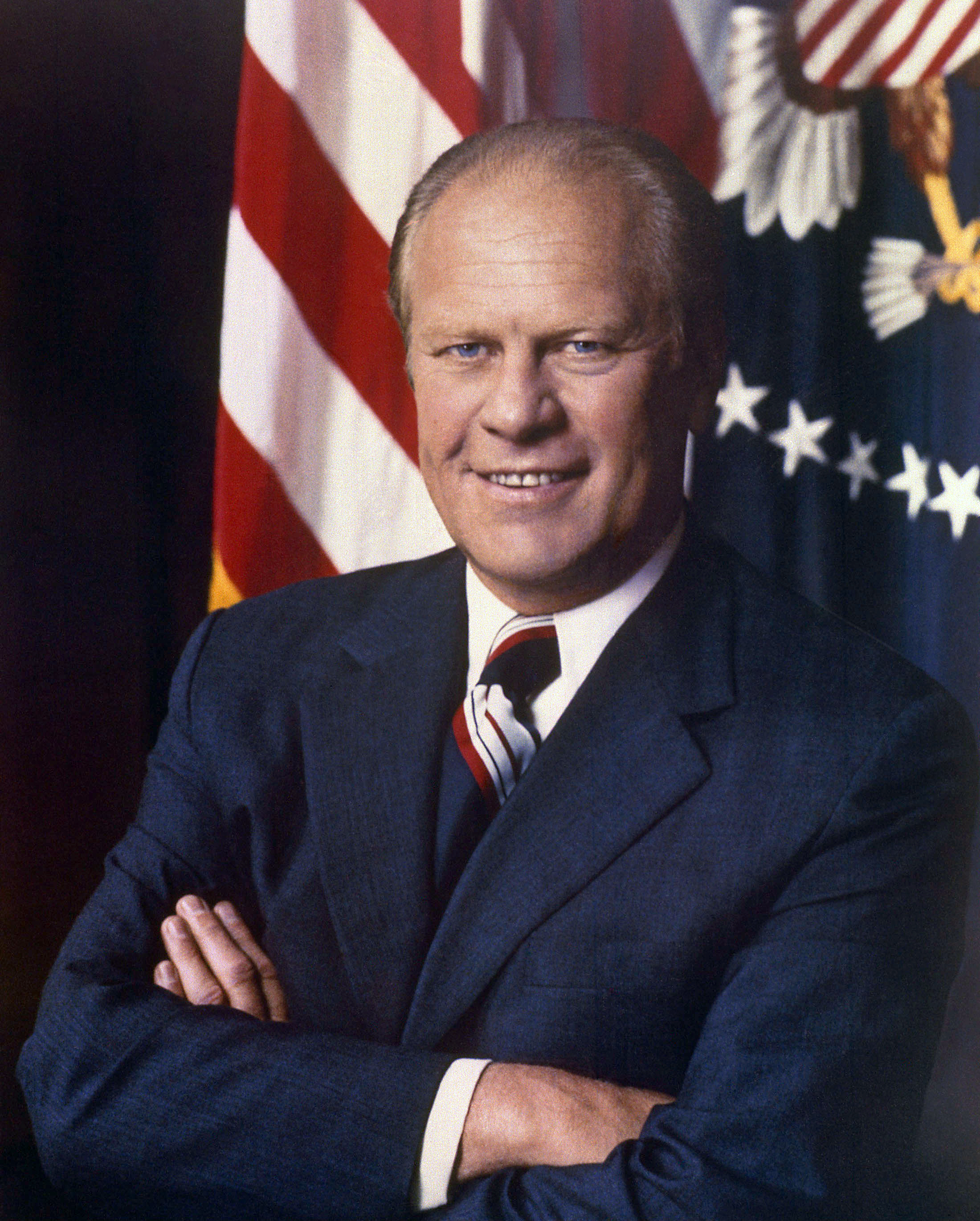
Presidential Biographies No. 38: Gerald Ford

     Hello everybody and welcome back to another edition of International History Hub! I'll be your host, Mr. Nations, your tour guide to this massive world we all call home! In today's edition of Presidential Biographies, we'll be discussing the life of Gerald Ford, the 38th president who served from 1974-1977. Well, what are we waiting for? Let's get right into it!

     Gerald Rudolph Ford Jr. was an American politician who served as the 38th president of the United States from August 1974 to January 1977. Before his rise to the presidency, Ford served as the 40th vice president of the United States from 1973 to 1974. Ford is the only person to have served as both vice president and president without being elected to either office by the Electoral College.

     Ford was born in Omaha, Nebraska, and raised in Grand Rapids, Michigan. He attended the University of Michigan and Yale Law School. In December 1973, two months after the resignation of Spiro Agnew, Ford became the first person appointed to the vice presidency by President Richard Nixon. After the subsequent resignation of President Nixon in August 1974, Ford immediately became president. His presidency is the shortest in U.S. history, not counting ones who died in office.

      Ford presided over the worst economy since the Great Depression, with growing inflation and a recession during his time. One of his most controversial acts is when he granted a pardon to Richard Nixon for his part in the Watergate scandal. He narrowly lost the presidential election to the Democratic challenger, former Georgia Governor Jimmy Carter.

      Ford died at his home in 2006 after experiencing serious health problems.

     Fun Facts: 
  • Ford had the opportunity to play in the NFL. 
  • He nearly lost his life when a typhoon hit his Navy aircraft carrier in WWII.
  • He was the target of two assassination attempts, both in 1975.
     Gerald Ford: 
     Gerald Ford - Wikipedia

Sunday, May 24, 2020

Presidential Biographies No. 37: Richard Nixon

     Hello everybody and welcome back to another edition of International History Hub! I'll be your host, Mr. Nations, your tour guide to this massive world we all call home! In today's edition of Presidential Biographies, we'll be discussing the life of Richard Nixon, the 37th president who served from 1969 to 1974. Well, what are we waiting for? Let's get right into it!

     Richard Nixon was a member of the Republican Party and before he became president, he served as the 36th vice president from 1953 to 1961. After five years in the White House, he saw that the end to the U.S. involvement in the Vietnam War was inevitable. He became relaxed with the Soviet Union and China, and the establishment of the Environmental Protection Agency happened. Nixon is the only president to resign from the presidency.

     Nixon was born to a poor family in a small town in Southern California. He graduated from Duke University School of Law in 1937 and returned to California to practice law. Years later, he was elected to the House of Representatives in 1946. In 1950, he was elected to the Senate and was the running mate of Dwight D. Eisenhower. He ran in an unsuccessful presidential campaign in 1960, narrowly losing to John F. Kennedy. In 1968, he ran for the presidency again and was elected, defeating his opponents.

     Nixon ended American involvement in the Vietnam War in 1973, ending the military draft that same year. Nixon visited China, improving the relationship between the two countries, and forming a tense peace. He also supervised the Apollo 11 moon landing, which signaled the end of the race to the moon. He was re-elected in one of the largest electoral landslides in American history in 1972 when he defeated George McGovern.

     Nixon is well-known for his famous Watergate Scandal, the incident that cost him much of his political support. He resigned before facing certain impeachment, making him the only president to do so. After his resignation, he suffered a debilitating stroke and died four years later.

     Fun Facts:

  • Nixon had a chance to attend Harvard University but chose not to. 
  • Nixon almost became an FBI agent in the 1930s.
  • Nixon used the comedy show "Laugh In" to get elected.
     Richard Nixon:
     Richard Nixon - Wikipedia

Saturday, May 23, 2020

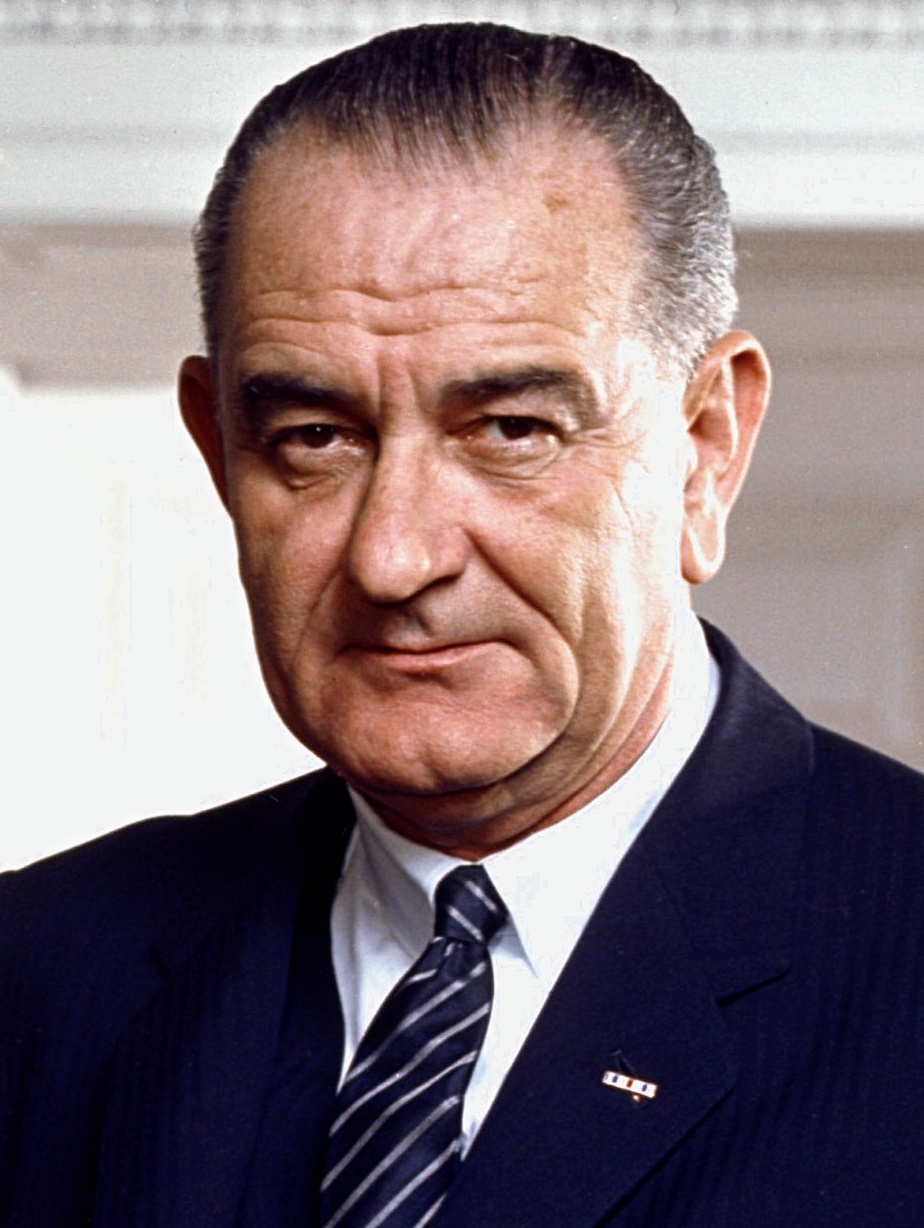
Presidential Biographies No. 36: Lyndon B. Johnson

     Hello everybody and welcome back to another edition of International History Hub! I'll be your host, Mr. Nations, your tour guide to this massive world we all call home! Today on Presidential Biographies, we'll be taking a look at the life of John F. Kennedy, the 35th president who served from 1963-1969. Well, what are we waiting for? Let's dive straight into it, shall we?

     Lyndon Baines Johnson, often referred to by his initials LBJ, was an American politician who served as the 36th president of the United States from 1963 to 1969. Formerly the 37th vice president from 1961 to 1963, he became the president following the assassination of President Kennedy. Johnson was a Democrat from Texas, and also served as a United States Representative and as the Majority Leader in the United States Senate.

     Johnson was born in a farmhouse in Stonewall, Texas. He was a high school teacher and worked as a congressional aide before winning the position of U.S. House of Representatives in 1937. Johnson won election to the United States Senate from Texas in 1948 after winning the Democratic nomination by a narrow margin with phony votes that were created by friendly political machines.

     When Johnson became president, he escalated U.S. involvement in the Vietnam War. In 1964, Congress passed the Gulf of Tonkin Resolution, which gave Johnson the power to use military force in Asia without having to ask for a declaration of war. The number of American military personnel in Vietnam increased dramatically, from 16,000 advisors in non-combat roles in 1963 to 525,000 in 1967, many in combat roles. American casualties were at an all-time high and peace efforts stopped.

     Johnson is ranked highly by many historians because of his policies and the passage of many major laws that affected civil rights, gun control, wilderness preservation, and Social Security, although he also drew substantial criticism for his escalation of the Vietnam War. He died on January 22, 1973 due to a heart attack.

     Fun Facts:

  • Johnson was a teacher for nine months at a segregated school for Mexican-American children.
  • He almost died while serving in the Senate to a heart attack.
  • Johnson was a tall man. He used this to his benefit by towering over his shorter companions and asking for favors. Surprisingly, this worked.
     Lyndon B. Johnson:
     Lyndon B. Johnson - Wikipedia

Wednesday, May 20, 2020

Presidential Biographies No. 35: John F. Kennedy

     Hello everybody and welcome back to another edition of International History Hub! I'll be your host, Mr. Nations, your tour guide to this massive world we all call home! Today on Presidential Biographies, we'll be taking a look at the life of John F. Kennedy, the 35th president who served from 1961-1963. Well, what are we waiting for? Let's dive straight into it, shall we?

     John Fitzgerald Kennedy often referred to by his initials JFK, was an American politician who served as the 35th president of the United States from January 1961 until his death in November 1963. Kennedy served during the majority of the Cold War, with the greater amount of his work as president focusing on relations with the Soviet Union and Cuba. Kennedy, a Democrat, represented Massachusetts in the U.S. House of Representatives and Senate before becoming president.

     Kennedy was born into a wealthy family in Brookline, Massachusetts. He graduated from Harvard University in 1940 before joining the U.S. Naval Reserve the year after. During World War II, he commanded a series of boats in the Pacific and earned the Navy and Marine Corps Medal for his actions. While in the Senate, Kennedy published his book, Profiles in Courage, which won a Pulitzer Prize. In the 1960 presidential election, he narrowly defeated opponent Richard Nixon, who was vice president.

     During Kennedy's presidency, he dealt with high tensions from communist countries during the Cold War. In April of 1961, he attempted to overthrow the reign of Fidel Castro, leader of Cuba. He rejected plans such as Operation Northwoods, which stated that the U.S. plan false attacks to gain approval for a war against Cuba. However, his administration still planned for Cuba's attack in the summer of 1962. Kennedy also oversaw the Cuban Missile Crisis, which almost resulted in a global thermonuclear war.

     On November 22, 1963, Kennedy was assassinated in Dallas, Texas by Lee Harvey Oswald, who shot Kennedy while he was in his presidential motorcade from the Texas Schoolbook Depository.

     Fun Facts:

  • His family was very, very, rich. At the time of his death, his estate was thought to be worth $1,000,000,000, or one billion dollars. 
  • He was the only president to receive a Purple Heart.
  • His father escaped a terrorist attack just after Kennedy was born. 
     John Fitzgerald Kennedy:
     John F. Kennedy - Wikipedia

Tuesday, May 19, 2020

Presidential Biographies No. 34: Dwight Eisenhower

     Hello everybody and welcome back to another edition of International History Hub! I'll be your host, Mr. Nations, your tour guide to this massive world we all call home! Today on Presidential Biographies, we'll be taking a look at the life of Dwight Eisenhower, the 34th president who served from 1953-1961. Well, what are we waiting for? Let's dive straight into it, shall we?

     Dwight Eisenhower was an American army general and statesman who served as the 34th president of the United States from 1953 to 1961. During World War II, he became a five-star general in the Army and served as the Supreme Commander of a group called the Allied Expeditionary Force in Europe. He was responsible for planning and supervising the invasion of the successful invasion of Normandy in 1944–45.

     Eisenhower was born David Dwight Eisenhower and raised in Abilene, Kansas, to a large family. His family had a strong religious background. Eisenhower did not belong to any organized church until 1952. He graduated from West Point in 1915. During World War I, he was denied a request to serve in Europe and instead commanded a unit that trained tank crews. After the United States entered World War II, Eisenhower oversaw the invasions of North Africa and Sicily before supervising the invasions of France and Germany. 

     In 1952, he joined the presidential race as a Republican to block the dastardly foreign policies of Senator Robert Taft. Taft was against NATO and wanted no foreign relations. Eisenhower won that election and the 1956 election in landslides, both times defeating Adlai Stevenson II. Eisenhower's main goal was to stop the spread of communism. In 1953, he threatened to use Nuclear weapons until China agreed to his terms in the Korean War. Eisenhower authorized the establishment of NASA, which led to the Space Race between the U.S. and Russia.

     Eisenhower died in 1969 due to heart failure at the age of 78. 

     Fun Facts:

  • Eisenhower never saw active combat, even though he spent 35 years in the military.
  • Eisenhower banished the White House squirrels because they ruined his golf course.
  • In the later years of his life, Eisenhower was an avid painter.
     Dwight D. Eisenhower:
     Dwight D. Eisenhower - Wikipedia

Monday, May 18, 2020

Presidential Biographies No. 33: Harry Truman

     Hello everybody and welcome back to another edition of International History Hub! I'll be your host, Mr. Nations, your tour guide to this massive world we all call home! Today on Presidential Biographies, we'll be taking a look at the life of Harry Truman, the 33rd president who served from 1945-1953. Well, what are we waiting for? Let's dive straight into it, shall we?

     Harry Truman was the 33rd president of the United States, serving during World War II and tasked with ending the war. He implemented the Marshall Plan, a program that was supposed to help rebuild the economy of Western Europe. He also established many more programs, such as NATO and the Truman Doctrine.

    Truman grew up in Independence, Missouri during World War I and was sent to France as a captain in the Field Artillery. Returning home, he was later elected as a Jackson County official in 1922. Truman was elected to the United States Senate from Missouri in 1934 and gained national recognition as chairman of the Truman Committee aimed at reducing inefficiency during the war. Soon after becoming president, he authorized the first and only use of nuclear weapons in war. 

     Corruption in the Truman administration became a central issue in the 1952 presidential election. After Republican Dwight Eisenhower's electoral victory against Adlai Stevenson II, Truman went into a poorly-funded retirement, marked by the founding of his presidential library and the publishing of his memoirs. When he left office, Truman's presidency was criticized, though scrutiny of his presidency changed the minds of historians.

     Fun Facts:

  • Truman wanted to go to WestPoint, but bad eyesight prevented him from going.
  • Truman survived an assassination attempt.
  • Roosevelt tended to keep Truman in the dark about matters regarding war.
     Harry S. Truman: 
     Harry S. Truman - Wikipedia

Sunday, May 17, 2020

Presidential Biographies No. 32: Franklin D. Roosevelt

     Hello everybody and welcome back to another edition of International History Hub! I'll be your host, Mr. Nations, your tour guide to this massive world we all call home! Today on Presidential Biographies, we'll be taking a look at the life of Franklin D. Roosevelt, the 32nd president who served from 1933-1945. Well, what are we waiting for? Let's dive straight into it, shall we?

     Franklin Delano Roosevelt was an American politician who served as the 32nd president of the United States from 1933 until his death in 1945. Roosevelt led the federal government during most of the Great Depression, putting in place his agenda in response to the worst economic crisis in U.S. history. His third and fourth terms were dominated by World War II, which ended shortly after he died in office. He is usually rated by scholars as one of the nation's greatest presidents, after George Washington and Abraham Lincoln, but has also been subject to criticism.

     Roosevelt was born in Hyde Park to a Dutch-American family. He graduated from Groton School and Harvard University and attended Columbia Law School. After he passed the bar exam, he went to practice law in New York City. He won election to the New York Senate in 1910 and served as Assistant Secretary of the Navy under President Wilson. Shortly thereafter, he won the position of New York in 1928, promoting many programs to combat the economic crisis.  

     Roosevelt took office during the midst of the Great Depression. He had a very good response to the crisis, creating programs that aided farmers and unemployed people while seeking economic relief in the form of the National Recovery Administration. He easily won reelection in 1936 and again in 1940, making him the only president to serve more than two terms. He was a strong leader in many regards, handling the looming threat of World War II very well. 

     Roosevelt was elected for a fourth term but died in 1945, not even three months into it. 

     Fun Facts:

  • Roosevelt had a lifelong passion for stamp collecting.
  • Roosevelt still holds the record for the longest-serving president in U.S. history.
  • Roosevelt dropped out of law school. He passed his bar exam but decided to do other things with his life.
     Franklin Delano Roosevelt:
     FDR wins unprecedented fourth term - HISTORY

Saturday, May 16, 2020

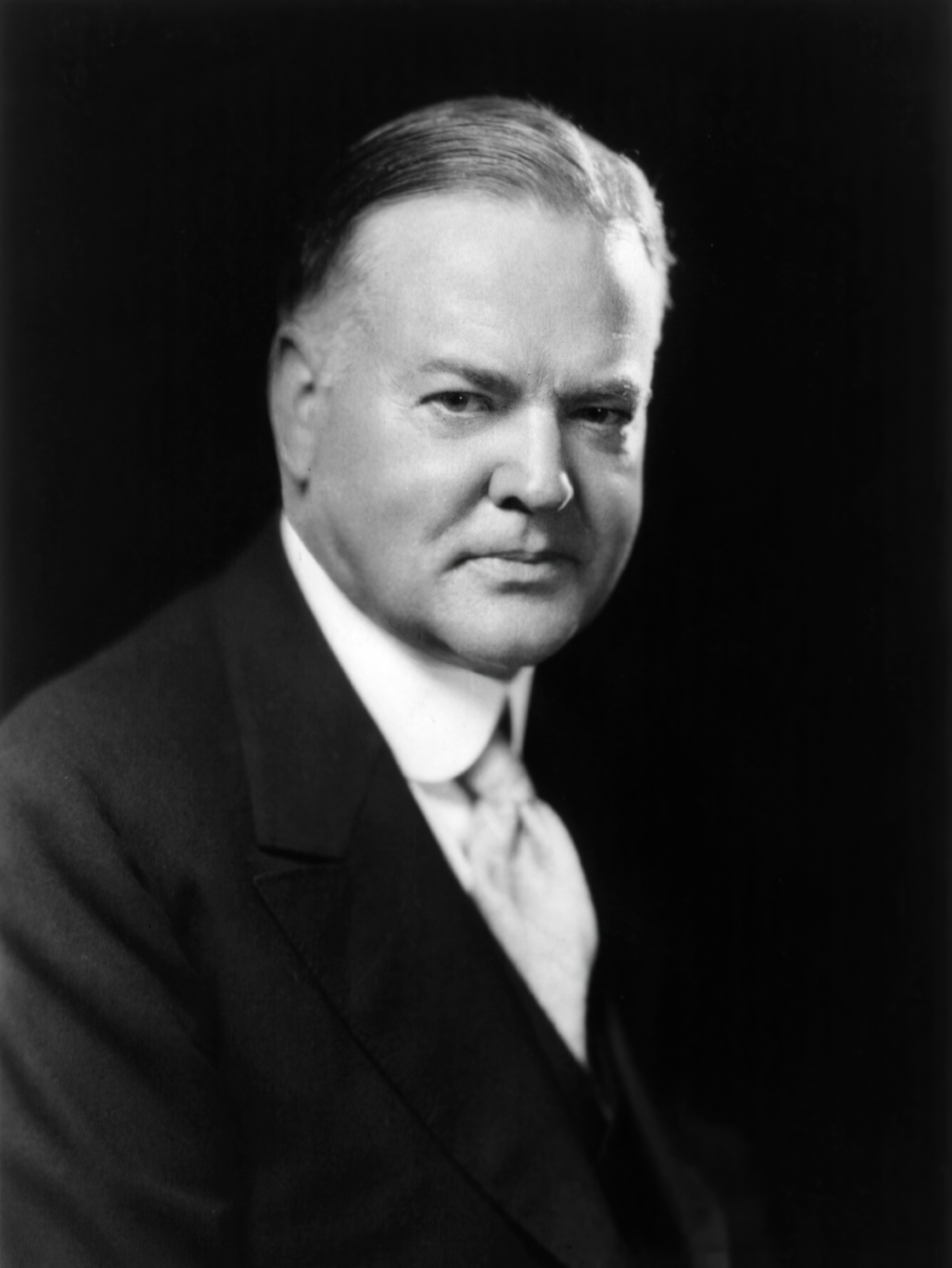
Presidential Biographies No. 31: Herbert Hoover

     Hello everybody and welcome back to another edition of International History Hub! I'll be your host, Mr. Nations, your tour guide to this massive world we all call home! Today on Presidential Biographies, we'll be taking a look at the life of Herbert Hoover, the 31st president who served from 1929-1933. Well, what are we waiting for? Let's dive straight into it, shall we?

     Herbert Clark Hoover was an American engineer, businessman, and politician who served as the 31st president of the United States from 1929 to 1933. He was a member of the Republican Party and held office during the beginning of the Great Depression. Before the Oval Office, Hoover served as the director of the U.S. Food Administration and served as the 3rd Secretary of Commerce.

     Hoover was born to a Quaker family in West Branch, Iowa. He took a position with a London-based mining company after graduating from Stanford University in 1895. After the outbreak of World War I, he became the head of the Commission for Relief in Belgium, an international relief organization that provided food to Belgium. After the war, Hoover led the American Relief Administration, which provided food to the people of Europe.

     After the 1920 election, President Warren G. Harding appointed Hoover as Secretary of Commerce. Hoover continued to serve under President Coolidge after Harding died. Hoover was an active cabinet member, often being involved in other branches other than his own. He was influential in the development of radio and air travel and led the response to the Great Mississippi Flood. The stock market crashed shortly after Hoover took office, and the Great Depression became the main issue of his presidency. Hoover was against federal intervention during this time.

     At the age of 90, Hoover died due to colon cancer in 1964.

     Fun Facts:

  • Hoover was orphaned at the age of nine.
  • He made a fortune in mining.
  • He participated in the first long-distance television broadcast.
     Herbert Hoover:
     Herbert Hoover - Wikipedia

Wednesday, May 13, 2020

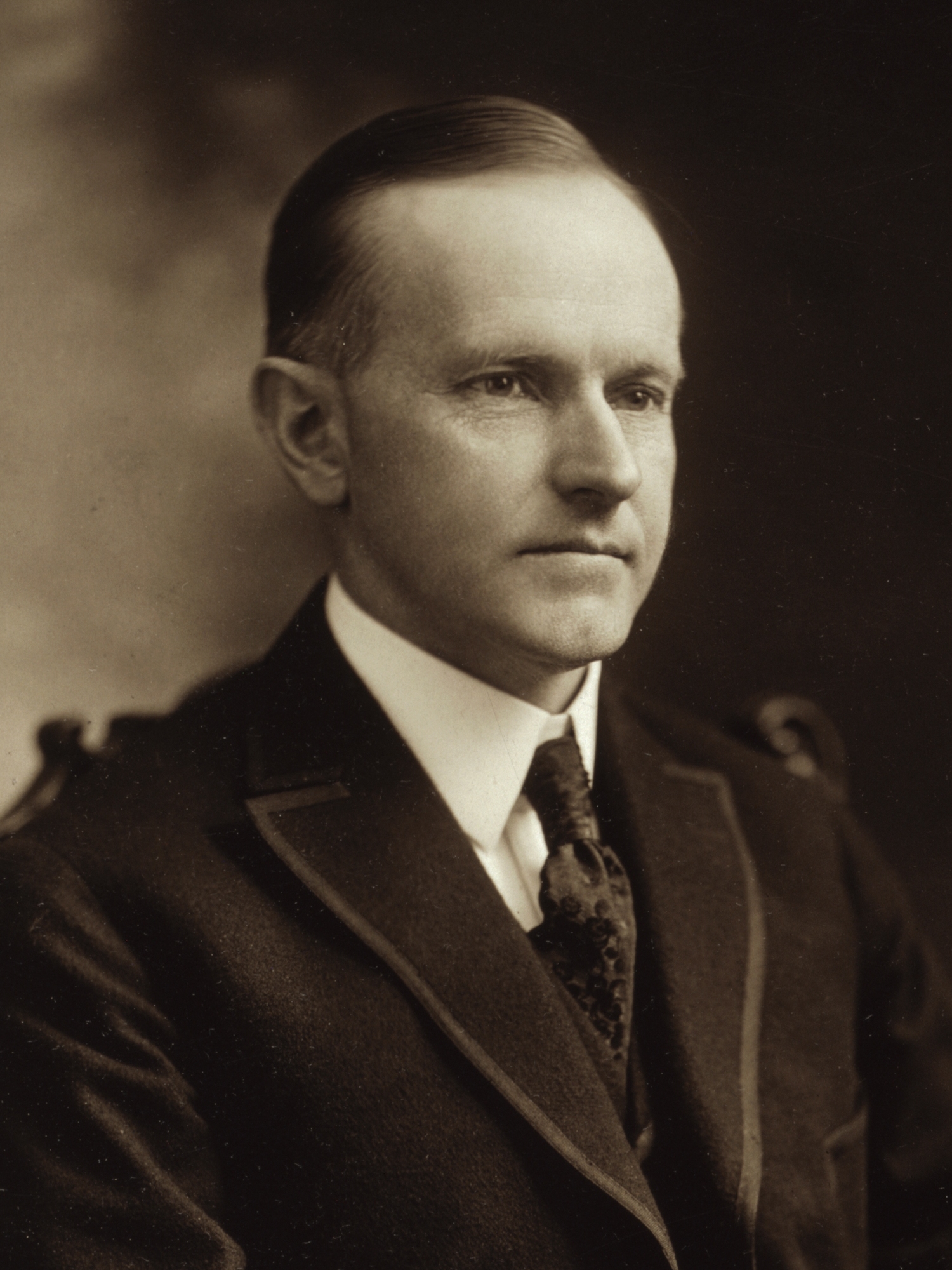
Presidential Biographies No. 30: Calvin Coolidge

     Hello everybody and welcome back to another edition of Nations Made Fun! I'll be your host, Mr. Nations, your tour guide to this massive world we all call home! Today on Presidential Biographies, we'll be taking a look at the life of Calvin Coolidge, the 30th president who served from 1923-1929. Well, what are we waiting for? Let's dive straight into it, shall we?

     Calvin Coolidge was an American politician and lawyer who served as the 30th president of the United States from 1923 to 1929. He was a Republican lawyer from New England. Born in Vermont, Coolidge worked his way up the political ladder, eventually becoming governor of Massachusetts. His response to the Boston Police Strike of 1919 forced him into the national spotlight and gave him a reputation as a man of quick action. The next year, he was elected vice president of the United States, and he succeeded to the presidency upon the sudden death of Warren G. Harding in 1923. 

     Due to the fact that Coolidge had kept a low profile while serving in Warren G. Harding's Cabinet, many Americans didn't know what to think of him. But he won them over, especially after a series of well-received treaties and bills passed under his administration. He signed the Washington Naval Treaty, the World War Adjusted Compensation Act, and the Immigration Act, which was geared to restrict southern and eastern European immigration, but later made an addition expressing his unhappiness with the blatant exclusion of Japanese people.

      On June 2, 1924, Coolidge signed the act granting citizenship to all Native Americans born in the United States. By that time, two-thirds of the people were already citizens, having gained it through marriage, military service (veterans of World War I were granted citizenship in 1919), or the land reservations that had earlier taken place. This was considered a very good move on Coolidge's part.

     Coolidge restored the White House's reputation after the scandalous actions of his predecessor's administration practices and left office with considerable popularity in the American people. Even though the general population liked him, scholars have ranked him as below average compared to other presidents, but he is well-liked by advocates of small government economics. Many people praise his policies regarding racial equality.

      Fun Facts: 
  • Coolidge is the only president born on the Fourth of July.
  • Coolidge was popular for doing nothing. Compared to his heavy-handed predecessors, Coolidge was a refreshing experience.
  • Coolidge wasn't very talkative.
     Calvin Coolidge:

Tuesday, May 12, 2020

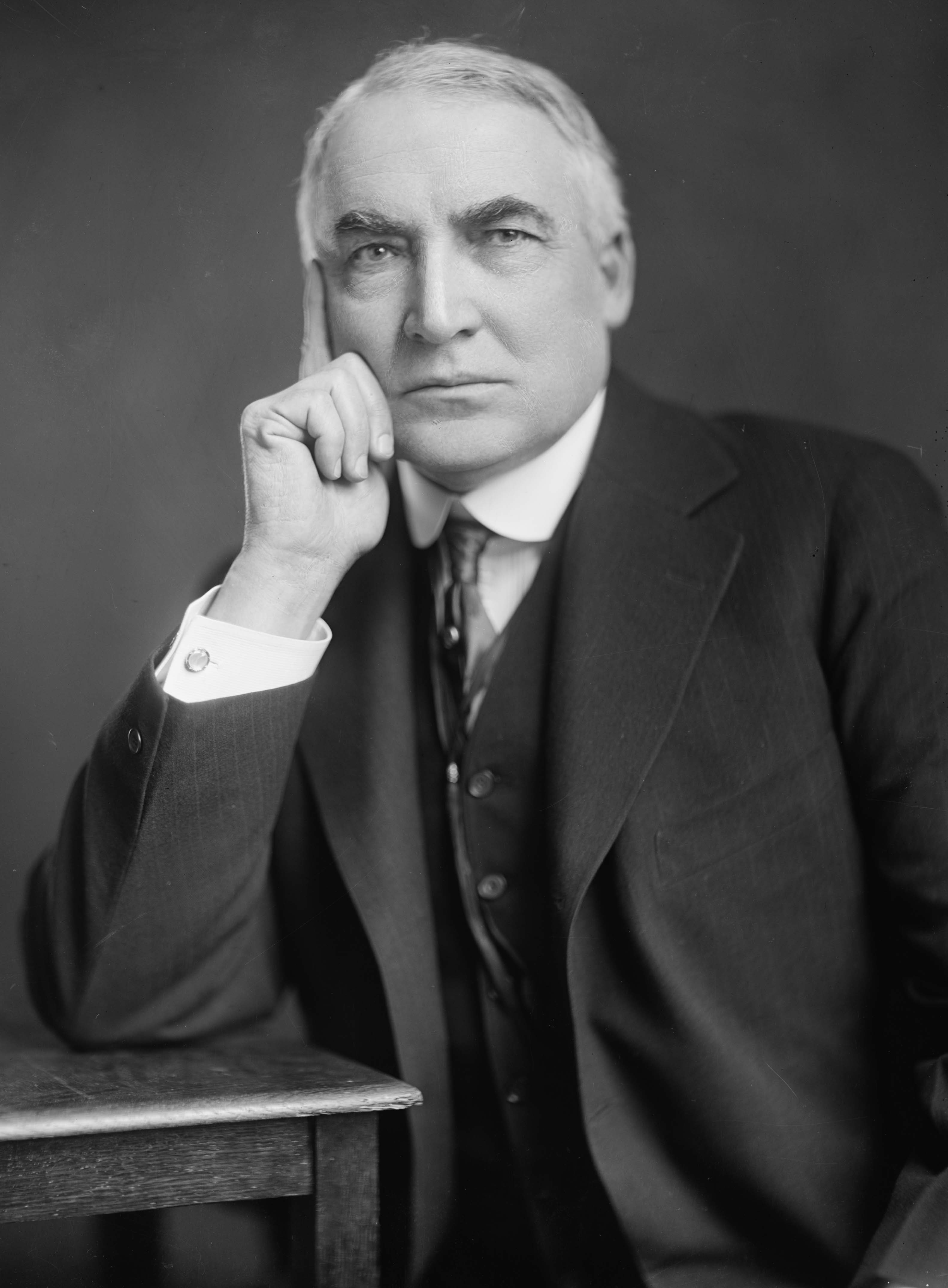
Presidential Biographies No. 29: Warren G. Harding

     Hello everybody and welcome back to another edition of Nations Made Fun! I'll be your host, Mr. Nations, your tour guide to this massive world we all call home! Today on Presidential Biographies, we'll be taking a look at the life of Warren G. Harding, the 29th president who served from 1921-1923. Well, what are we waiting for? Let's dive straight into it, shall we?

     Warren G. Harding lived in rural Ohio all his life, except when politics, such as the presidency, required him elsewhere. As a young man, he bought the newspaper, the Marion Star, and turned it into a successful publication. In 1899, he was elected to the Ohio Senate, spent four years there, and was then elected lieutenant governor. He was defeated for governor in 1910 but was elected to the U.S. Senate in 1914. When Harding was running for president, he was considered a long shot until his support began to grow. He defeated his counterpart in a landslide and became the next president of the United States of America.

     Harding made many smart choices while recruiting people to his Cabinet, including Andrew Mellon to the Treasury, and Herbert Hoover at the Department of Commerce. One major accomplishment that came out of Harding's presidency was that he called for a meeting of the world's most powerful naval units and arranged for a contract of sorts to be drafted, stating that there would be restrictions on the Navy for a period of ten years. 

     Harding was a well-liked president for some time until his Cabinet members started getting arrested and for corruption within the White House. Harding was criticized for his picks in Cabinet members, and his reputation as a good president was shattered. He died from a heart attack while in San Francisco and the position of President was shifted to his vice president, Calvin Coolidge, who we will talk about tomorrow on Wednesday, May 13th. 

     Fun Facts: 
  • He was the first president to talk on the radio.
  • He wore size nineteen shoes, making him the president with the largest shoe size.
  • He liked to play poker and once lost a set of White House fine China during a round.
     Warren G. Harding: 
      Warren G. Harding - Wikipedia

Monday, May 11, 2020

Presidential Biographies No. 28: Woodrow Wilson

     Hello everybody and welcome back to another edition of Nations Made Fun! I'll be your host, Mr. Nations, your tour guide to this massive world we all call home! Today on Presidential Biographies, we'll be taking a look at the life of Woodrow Wilson, the 28th president who served from 1913 to 1921. Well, what are we waiting for? Let's dive straight into it, shall we?

     Thomas Woodrow Wilson was an American politician, lawyer, and scholar who served as the 28th president of the United States. A member of the Democratic Party, Wilson served as the president of Princeton University and as the 34th governor of New Jersey before winning the 1912 presidential election. As president, he oversaw the passage of policies unmatched until the New Deal in 1933. He also led the United States into World War I in 1917, establishing an activist foreign policy known as "Wilsonianism."

     During his first term, Wilson ruled over the passage of his progressive New Freedom domestic agenda. His first major priority was the passage of the Revenue Act of 1913, which lowered tariffs and put in place a federal income tax. Wilson also presided over the passage of the Federal Reserve Act, which created a banking hub in the form of the Federal Reserve System. To the major disappointment of his African-American supporters, Wilson allowed some of his Cabinet members to segregate their departments. Upon the outbreak of World War I in 1914, Wilson maintained neutrality between the Allied Powers and the Central Powers. 

     Wilson later declared war against the Germans in 1917. After the war, he tried to get the Senate to ratify the Treaty of Versailles, but to no avail. Wilson suffered a stroke in 1919 and died shortly thereafter in 1924.

     Fun Facts:
  • Wilson was the first president to visit Europe while still in office.
  • His face is on the $100,000 bill.
  • Wilson is the only president buried in Washington D.C.
     Woodrow Wilson:
     Woodrow Wilson - Wikipedia

Sunday, May 10, 2020

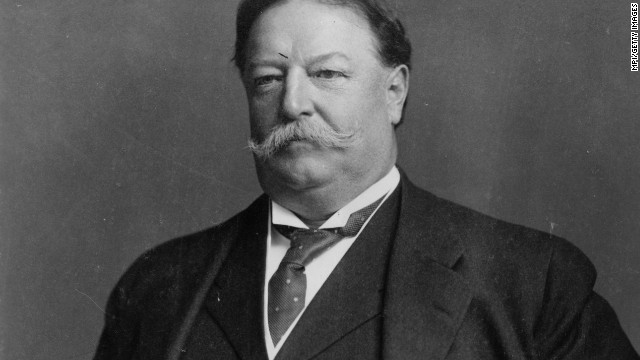
Presidential Biographies No. 27: William Howard Taft

      Hello everybody and welcome back to another edition of Nations Made Fun! I'll be your host, Mr. Nations, your tour guide to this massive world we all call home! Today on Presidential Biographies, we'll be taking a look at the life of William Howard Taft, who served from 1909-1913. Well, what are we waiting for? Let's dive straight into it!

      William Howard Taft was the 27th president of the United States and the tenth chief justice of the United States (1921–1930), the only person to have held both offices. Taft was elected president in 1908 but was defeated for re-election by Woodrow Wilson in 1912. In 1921, President Warren G. Harding appointed Taft to be chief justice, a position he served until a month before his death in 1930.

     Taft was born in Cincinnati, Ohio in 1857. After becoming a lawyer at Yale, Taft was appointed a judge while still in his twenties. In 1901, President William McKinley appointed Taft civilian governor of the Philippines. In 1904, Roosevelt made him Secretary of War, and he became Roosevelt's successor. Despite his personal ambition to become chief justice, Taft declined repeated offers of admittance to the Supreme Court of the United States.

     While in the White House, he focused on East Asia more than European affairs and oftentimes propped up or removed Latin American governments. Taft strived to reduce trade tariffs, at that time a major source of government income. Unfortunately, due to controversy, Taft had a hard time during reelection and was ultimately defeated. He passed on March 8th, 1930.

     Fun Facts:
  • Taft was the heaviest president, weighing 332 pounds.
  • Taft once fell asleep during a parade in which he was the main focus.
  • He was the first president to have a presidential car and the last to own a cow. (for fresh milk).
      William Howard Taft:
      The President Taft diet: Learning from America's heaviest leaders ...

Saturday, May 9, 2020

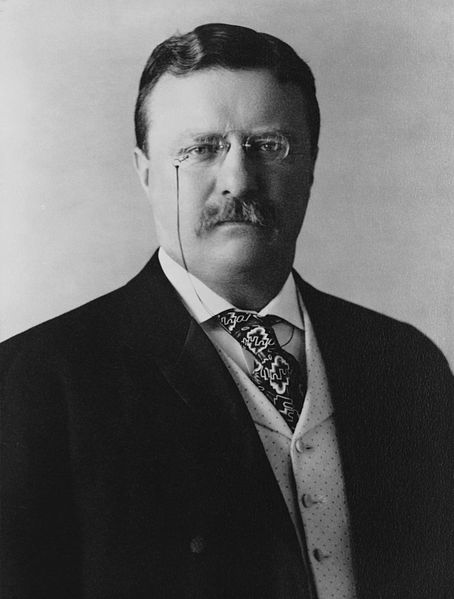
Presidential Biographies No. 26: Theodore Roosevelt

      Hello everybody and welcome back to another edition of Nations Made Fun! I'll be your host, Mr. Nations, your tour guide to this massive world we all call home! Today on Presidential Biographies, we'll be taking a look at the life of Theodore Roosevelt, who served from 1901-1909. Well, what are we waiting for? Let's dive straight into it!

     Theodore Roosevelt Jr. was an American statesman, politician, conservationist, naturalist, and writer who served as the 26th president of the United States from 1901 to 1909. He served as the 25th vice president from March to September 1901 and as the 33rd governor of New York from 1899 to 1900. His face is depicted on Mount Rushmore alongside George Washington, Thomas Jefferson, and Abraham Lincoln. He is generally ranked in polls of historians and political scientists as one of the five best presidents.

     Roosevelt was a sickly child with debilitating asthma, but he overcame his health problems by embracing a strenuous lifestyle, as well as growing out of his asthma naturally in his young adult years.  He was home-schooled before attending Harvard College, which is quite impressive.

      Roosevelt was a leader of the progressive movement, and he championed his "Square Deal" domestic policies, promising the average citizen fairness, breaking of trusts, regulation of railroads, and pure food and drugs. He died on January 6th, 1919.

     Fun Facts:

  • As a child, Roosevelt witnessed Abrahams Lincoln's funeral procession.
  • Roosevelt had a very good memory. He was seen reciting obscure poetry almost a decade after him reading the text.
  • Roosevelt was the first president to win a Nobel Prize.
     Theodore Roosevelt: 
     File:President Theodore Roosevelt, 1904.jpg - Wikipedia

Wednesday, May 6, 2020

Presidential Biographies No. 25: William McKinley

      Hello everybody and welcome back to another edition of Nations Made Fun! I'll be your host, Mr. Nations, your tour guide to this massive world we all call home! Today on Presidential Biographies, we'll be taking a look at the life of William McKinley, who served from 1897-1901. Well, what are we waiting for? Let's dive straight into it!

      William McKinley was the 25th president of the United States from 1897, until his assassination in 1901. During his presidency, McKinley led the nation to victory in the Spanish–American War, raised tariffs to promote the American industry, and kept the nation on the gold standard in a rejection of free silver.

      McKinley was the last president to serve in the Civil War and was the only one who started the war as an enlisted soldier, starting as a private and ending as a brevet major. After the war, he settled down in Ohio, where he practiced law and got married. In 1876 he was elected to Congress and the elected as Governor of Ohio in 1891 and 1893.

      When McKinley was elected as president, the U.S. experienced incredible economic growth. One of McKinley's major accomplishments as president was that he attempted to persuade Spain to give independence to Cuba without conflict, but when negotiations failed, he led the United States into the Spanish-American War of 1898. The victory was won quickly by the United States.

     Unfortunately, President McKinley was assassinated when he was shot by Leon Czolgosz in 1901.

     Fun Facts:

  • He was the first president to ride in an automobile.
  • McKinley's face is on the $500 bill.
  • First Lady Ida McKinley despised the color yellow. So much so that she had all yellow objects removed from the White House.
     William McKinley:
     William McKinley - Wikipedia